The step by step chicken incubation process is an exciting journey that many chicken enthusiasts undertake to witness new life. Understanding this process is crucial, especially if you are new to poultry farming. This guide will walk you through every step of the way, ensuring that you are well-equipped to manage the incubation and hatching of chicken eggs.
Understanding the Basics of Incubation
Before diving into the step by step chicken incubation process, it’s important to grasp the basics of incubation. Incubation is the period during which eggs are kept in specific conditions to allow the embryo to develop and hatch into a chick. This process mimics the natural warmth that a hen provides when sitting on her eggs.
Preparing for Incubation
Selecting the Right Eggs
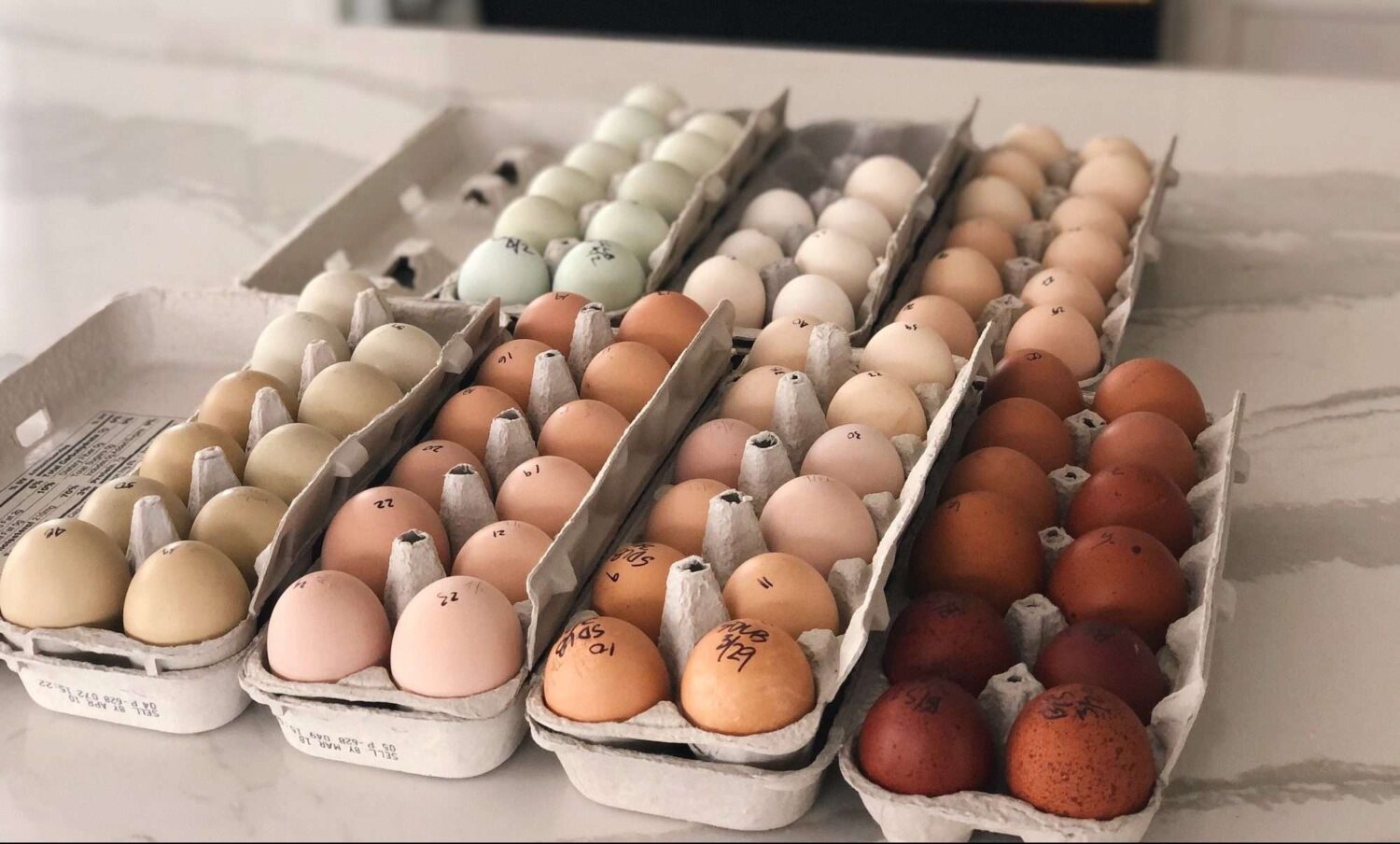
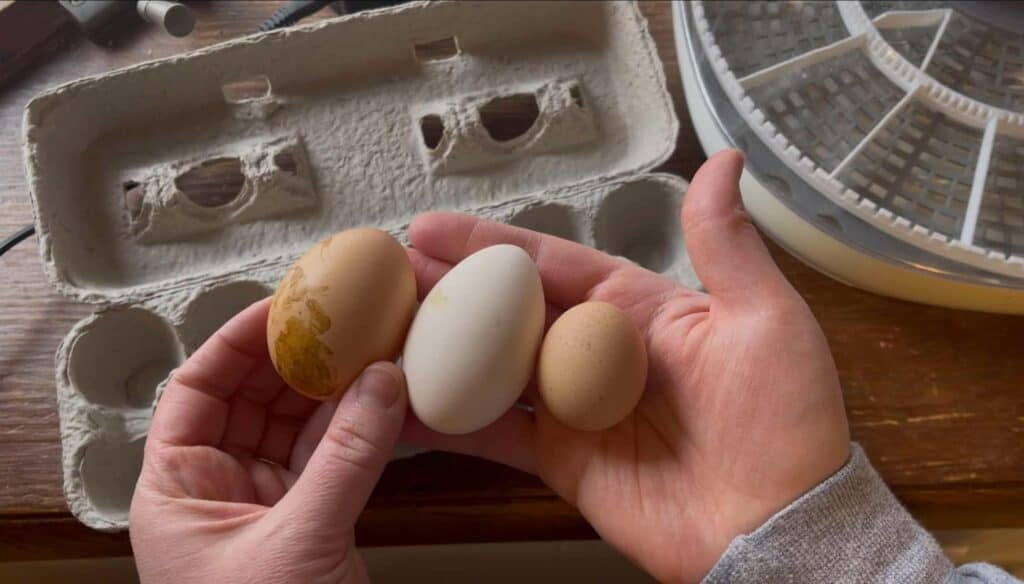
Choosing the right eggs is the first crucial step. Ensure that the eggs are fertilized and fresh. Avoid eggs with cracks or deformities as these might not hatch properly.
Setting Up the Incubator
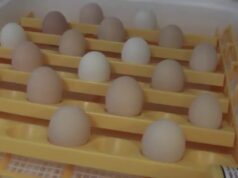
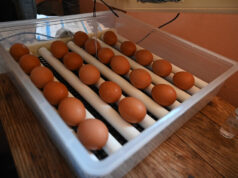
An incubator is essential for maintaining the right temperature and humidity levels. Set your incubator to a temperature of around 99.5F and maintain humidity levels between 40-50% for the first 18 days. For more tips on setting up your incubator, check out this comprehensive guide.
Day-by-Day Incubation Process
Days 1-7: The Early Stages
In the first week, it is crucial to maintain consistent temperature and humidity. Regularly check the incubator to ensure it is functioning correctly.
Days 8-14: Monitoring Development
During this period, you can start candling the eggs to monitor the growth of the embryos. Candling involves shining a light through the egg to see the developing chick inside.
Days 15-18: Final Preparations
As the chicks grow, increase the humidity to around 65% to prepare for hatching. Stop turning the eggs on day 18 to allow the chicks to position themselves for hatching.
The Hatching Process
Day 21: Hatching Day
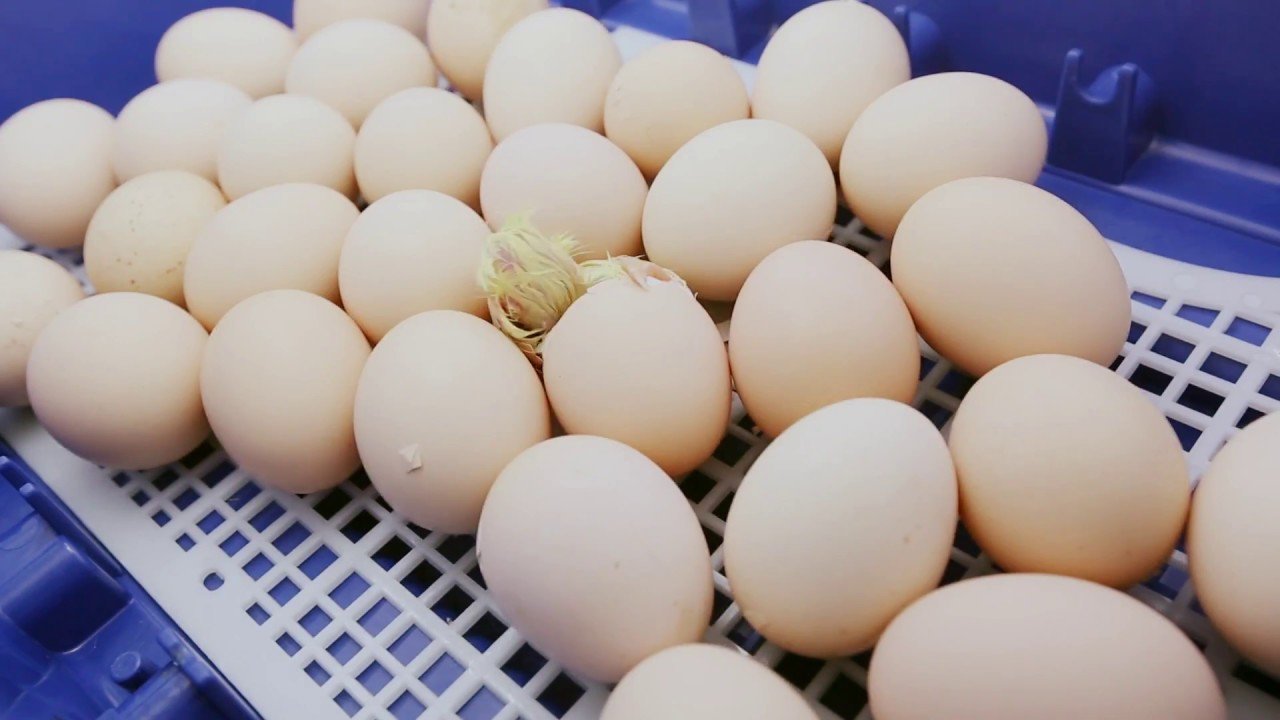
On day 21, the chicks will start to hatch. It is important to leave them undisturbed during this time. Chicks will begin to peck at the shell, and within a short time, they will emerge.
Post-Hatching Care
Creating a Brooder
Once the chicks have hatched, move them to a brooder. A brooder is a warm, safe space where they can grow for the first few weeks. Ensure that the brooder is kept at a temperature of about 95F and is gradually reduced over time.
Feeding the Chicks
Provide the chicks with a balanced diet that includes starter feed. Ensure they have access to fresh water at all times. Preparing herbs for your chicks can also provide additional nutrients.
Common Challenges and Solutions
Incubating chicken eggs comes with its set of challenges. From temperature fluctuations to humidity issues, each can impact the hatching success. Learn to troubleshoot common problems and seek guidance when needed.
Conclusion
The step by step chicken incubation process is a rewarding experience for any chicken lover. With patience and attention to detail, you can successfully hatch and raise healthy chicks. For more tips on raising chickens, consider exploring natural cleaning methods for your coop.
FAQ
What temperature should the incubator be set to?
The incubator should be set to a temperature of 99.5F for optimal results.
How can I tell if the eggs are developing properly?
You can use a process called candling to check the development of the embryos inside the eggs.
What should I do if the chicks don’t hatch on day 21?
If chicks do not hatch on day 21, wait a few more days as some may take a little longer. Ensure the temperature and humidity levels are correct.
This article contains affiliate links. We may earn a commission at no extra cost to you.