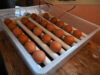
Incubating eggs can be an exciting venture, whether you’re looking to expand your flock or simply want to experience the miracle of life firsthand. While there are many advanced incubators on the market, not everyone wants to invest heavily in equipment. Fortunately, there are low cost ways to incubate eggs that are effective and accessible to all. In this article, we will explore various methods to hatch eggs without breaking the bank.

The Basics of Egg Incubation
Before diving into the low cost methods, it’s important to understand the basics of egg incubation. Eggs require consistent temperature, humidity, and ventilation to develop properly. The ideal temperature for chicken eggs is around 99.5F (37.5C), and humidity should be maintained at 50-55% for most of the incubation period, increasing to 65-70% during the last few days.
DIY Incubator Options
For those looking to create their own incubator, there are several DIY options that can be both fun and educational. One simple method involves using a Styrofoam cooler, which provides excellent insulation. By adding a small lamp or heating element, a thermometer, and a hygrometer, you can create a basic incubator that maintains the necessary conditions for hatching eggs.
Using Heat Lamps
Heat lamps can be a cost-effective way to provide the necessary warmth for egg incubation. By suspending a heat lamp over the eggs and monitoring the temperature closely, you can achieve the right environment for hatching. It’s important to regularly check the temperature and adjust the lamp’s height as needed to maintain consistency.
Blanket Method
The blanket method is another low-cost technique that involves using blankets or towels to insulate and maintain heat around the eggs. This method is particularly useful in warmer climates where maintaining heat is less of a challenge. It’s crucial, however, to ensure that there is adequate ventilation to prevent overheating.
Monitoring Humidity
Humidity plays a vital role in the incubation process. A simple way to monitor and adjust humidity levels is by placing a shallow pan of water in the incubator. Adding sponges or wet cloths can help increase humidity when needed. Regularly checking and adjusting these elements will help create the optimal environment for your eggs.
Turning the Eggs
Eggs need to be turned regularly to prevent the embryo from sticking to the shell. This can be done manually, but it’s important to be gentle and consistent. Marking the eggs with a pencil can help ensure that you turn them adequately, typically three to five times a day.
Homemade Brooders
Once the chicks hatch, they will need a warm and safe environment to grow. Creating a homemade brooder using a cardboard box or a plastic container with a heat lamp can be an affordable way to keep them comfortable. Ensure that the brooder is secure and has enough space for the chicks to move around.
External Resources
For more detailed information on how to set up a chicken incubator, exploring external resources can be invaluable. There are numerous guides and articles available that provide step-by-step instructions and tips for successful incubation.
Challenges and Troubleshooting
While incubating eggs can be rewarding, it’s not without its challenges. Common issues include temperature fluctuations, humidity imbalances, and fertility problems. Familiarizing yourself with these challenges and knowing how to address them is key to improving your success rate.
Internal Resources
Eggs in hot climates and humidity hacks can provide additional insights and solutions for common incubation issues.

Conclusion
Incubating eggs doesn’t have to be an expensive endeavor. By utilizing low cost methods and being resourceful, anyone can experience the joy of hatching chicks. Whether you’re using a DIY incubator or employing simple techniques like the blanket method, the key is to monitor the conditions carefully and make adjustments as needed.
Frequently Asked Questions
Q1: How often should eggs be turned? A: Eggs should be turned three to five times a day to prevent the embryo from sticking to the shell.
Q2: What is the ideal temperature for incubating chicken eggs? A: The ideal temperature is around 99.5F (37.5C).
Q3: Can I use a regular lamp for incubation? A: Yes, a regular lamp can be used, but it’s important to monitor the temperature closely and adjust the lamp’s height to maintain consistency.
This article contains affiliate links. We may earn a commission at no extra cost to you.