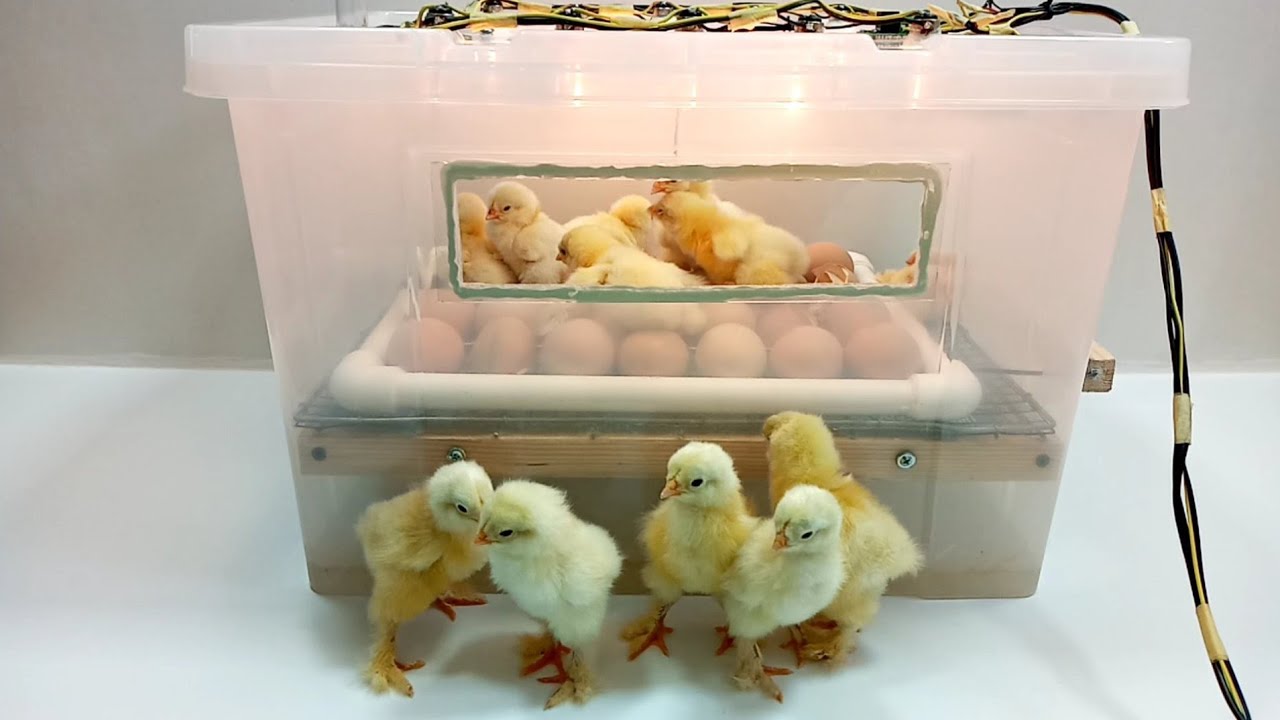
When it comes to hatching chicks, one of the critical concerns is ensuring that they do not become shrink wrapped during the process. This phenomenon occurs when the inner membrane of an egg dries out and sticks to the chick, making it difficult for the chick to hatch. Understanding how to avoid shrink wrapped chicks is essential for anyone involved in poultry farming or backyard chick hatching. In this article, we will delve into strategies and tips to prevent this issue from occurring.

Understanding Shrink Wrapping
Before we explore prevention methods, it’s important to understand what shrink wrapping is and why it happens. This issue typically occurs due to incorrect humidity levels during the incubation process. The membrane inside the egg loses moisture, causing it to adhere to the chick’s skin. To prevent this, maintaining the right humidity levels is crucial.
Importance of Humidity in Incubation
Humidity plays a critical role in the incubation process. Maintaining proper humidity levels ensures that the eggs develop correctly and that the chicks can hatch without issues. Too low humidity can lead to shrink wrapping, while too high humidity can cause other problems like drowning the chick in excess moisture.
Monitoring Humidity Levels
Invest in a reliable hygrometer to keep track of the humidity levels in your incubator. During the first 18 days of incubation, maintain a humidity level of around 50-55%. In the last three days, increase it to 65-70% to facilitate a smooth hatching process. For more details on how to achieve this, you can refer to this guide.
Choosing the Right Incubator
The incubator you use can significantly impact the success rate of hatching. Ensure you choose an incubator that allows precise control over temperature and humidity settings. Some advanced models come with built-in hygrometers and temperature controls, making it easier to maintain the ideal environment for hatching.
Regular Checks and Adjustments
Regularly check and adjust the settings on your incubator to ensure that they remain within the recommended range. This includes monitoring both temperature and humidity. Storing eggs correctly before incubation can also play a role in preventing shrink wrapping.
Egg Handling and Storage
Proper handling and storage of eggs before incubation is critical. Ensure that the eggs are stored in a cool, dry place and handle them gently to prevent any damage to the shell or internal membranes. For more information on egg handling, check out best practices for egg collection.
Importance of Egg Turning
During the incubation period, regularly turning the eggs is important to prevent the embryo from sticking to the shell. This also helps in the even distribution of heat and humidity. Learn more about the egg incubation process to ensure a higher success rate.
Recognizing Signs of Shrink Wrapping
Knowing the signs of shrink wrapping can help you take timely action. Indicators include a dry or cracked membrane, the chick’s inability to move, or visible distress. If you notice these signs, it may be necessary to assist the chick in hatching.
When to Intervene
Intervening can be tricky and should only be done if absolutely necessary. If you decide to help a chick, do so gently and with clean hands or tools to prevent infections. Carefully moisten the membrane to ease the chick’s hatching process.
Post-Hatch Care
Once the chicks are hatched, providing the proper care is essential for their well-being. Ensure they are kept warm and dry, and provide access to fresh water and starter feed. This will give them the best start in life.
Setting Up a Brooder
A brooder is a safe and warm environment where chicks can thrive after hatching. Ensure it has a consistent heat source, clean bedding, and enough space for the chicks to move around comfortably.
Conclusion
By understanding how to avoid shrink wrapped chicks, you can improve the success rate of your hatching process and ensure the healthy development of your chicks. Keep a close eye on humidity levels, regularly check your incubator settings, and handle eggs with care. With these precautions, you can look forward to a successful hatching experience.
FAQs
What causes shrink wrapping in chicks?
Shrink wrapping is primarily caused by low humidity levels during incubation, leading to the egg membrane drying out and sticking to the chick.
How can I maintain the right humidity levels?
Using a hygrometer to monitor humidity and adjusting the incubator settings as needed can help maintain the right levels.
Is it safe to assist a shrink wrapped chick?
Assisting should be a last resort. If you must intervene, do so gently and ensure your hands or tools are clean to prevent infections.
This article contains affiliate links. We may earn a commission at no extra cost to you.