When it comes to incubating chicken eggs, one of the most crucial factors contributing to a successful hatch is the egg rotation techniques in incubators. Without proper rotation, the embryo inside the egg may not develop correctly. This article dives into the significance of egg rotation and how to effectively achieve it using various techniques.

Why Egg Rotation is Important
Eggs need to be rotated to prevent the yolk from sticking to the shell. In nature, a hen naturally turns her eggs multiple times a day. This movement is vital for uniform heat distribution and proper embryo development. By understanding the natural behavior of hens, we can mimic these conditions in an incubator.
Understanding the Basics of Egg Incubation
Before delving into egg rotation techniques, it’s essential to have a grasp of egg incubation basics. The process requires maintaining optimal temperature and humidity levels, as well as ensuring proper ventilation. Each of these factors plays a critical role alongside egg rotation.
The Role of Temperature and Humidity
Temperature and humidity are key components of the incubation process. Maintaining these levels ensures that the embryo develops properly. Maintaining humidity helps prevent the egg from drying out, while the correct temperature supports embryo growth.
Ventilation Needs
Proper air circulation is also necessary for successful egg incubation. Eggs need oxygen, and the embryo produces carbon dioxide, which must be removed. Ensuring adequate ventilation complements the egg rotation process by facilitating gas exchange.
Manual Egg Rotation Techniques
Manual rotation involves turning the eggs by hand. This method is labor-intensive but allows for close monitoring. To manually rotate eggs, gently tilt them from side to side or turn them a full 180 degrees. This should be done at least three times a day, ensuring that the same side is not facing up each time.
Using Markers for Manual Turning
Many poultry enthusiasts use markers to keep track of egg rotations. By marking one side of the egg with an ‘X’ and the opposite side with an ‘O’, it becomes easier to ensure that all eggs are turned consistently.
Automatic Egg Turners
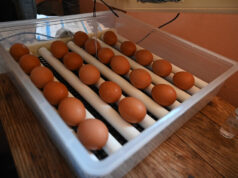
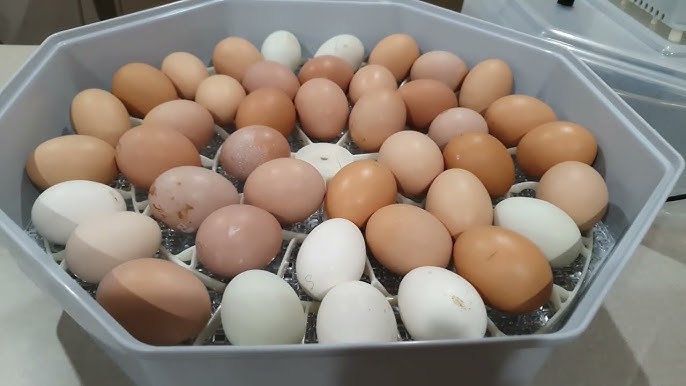
For those looking to simplify the process, automatic egg turners are available. These devices rotate the eggs at set intervals, reducing the need for manual intervention. Automatic turners are particularly beneficial for large-scale incubation projects.
Advantages of Automatic Turners
Automatic egg turners provide consistency and reduce the risk of human error. They ensure that eggs are rotated at optimal intervals and angles, promoting better hatch rates. Additionally, they save time and effort, especially for individuals managing multiple incubators.
Best Practices for Egg Rotation
Regardless of the method used, several best practices can enhance the efficacy of egg rotation techniques:
- Ensure eggs are clean and free from debris before placing them in the incubator.
- Maintain a consistent rotation schedule to prevent any developmental issues.
- Handle eggs gently to avoid cracks or damage.
Common Mistakes to Avoid
Avoid rotating eggs too frequently or too little. Over-rotation can lead to disorientation of the embryo, while insufficient rotation can cause adhesion issues. It’s crucial to find a balance and stick to a schedule.
Monitoring and Adjusting Rotation Techniques
Regular monitoring of the incubation process is vital. Check for any signs of distress or developmental issues in the eggs. Adjust rotation techniques as necessary, based on observations and results.
Using Candling to Track Development
Candling is a useful tool for tracking embryo development. By shining a light through the egg, you can observe the growth and make adjustments to the incubation process if needed. This method provides insights into whether rotation techniques are effective.
How to Store Eggs Before Incubation
Proper egg storage before incubation is as important as the rotation process. Storing eggs correctly ensures that they remain viable and enhances the chances of successful incubation.
Transporting Eggs Safely
Transporting eggs to the incubation site requires care to prevent damage. Transport eggs safely by using cushioned containers and avoiding excessive movement.
Post-Hatching Care
Once the chicks have hatched, they require special care to thrive. Proper nutrition, warmth, and protection from predators are crucial. For detailed information on post-hatching care, visit chick care guidelines.
External Resources for Further Learning
For those interested in deepening their understanding of egg incubation, additional resources are available. The Farmbrite guide on incubating chicken eggs offers comprehensive insights into the process.
Conclusion
Mastering egg rotation techniques in incubators is essential for achieving high hatch rates and healthy chicks. By understanding and implementing these techniques, poultry enthusiasts can ensure successful incubation. Whether you’re using manual or automatic methods, consistency and attention to detail will lead to rewarding results.

FAQ Section
How often should eggs be rotated in an incubator?
Eggs should be rotated at least three times a day to ensure even development and prevent the embryo from sticking to the shell.
Can I use an automatic egg turner for all types of eggs?
Yes, automatic egg turners can be used for various types of poultry eggs, but it’s important to adjust the settings based on egg size and species.
What happens if I forget to rotate the eggs?
Failure to rotate eggs can lead to poor embryo development and reduced hatch rates. It’s crucial to maintain a consistent rotation schedule.
This article contains affiliate links. We may earn a commission at no extra cost to you.