Raising chickens is a rewarding experience that many people enjoy, whether they’re seasoned farmers or backyard hobbyists. A crucial part of this journey is ensuring that your chicken eggs hatch successfully. However, this process isn’t always smooth, and that’s where troubleshooting chicken incubator issues becomes essential. This article will guide you through common challenges and solutions related to incubating chicken eggs.
Understanding the Incubation Process
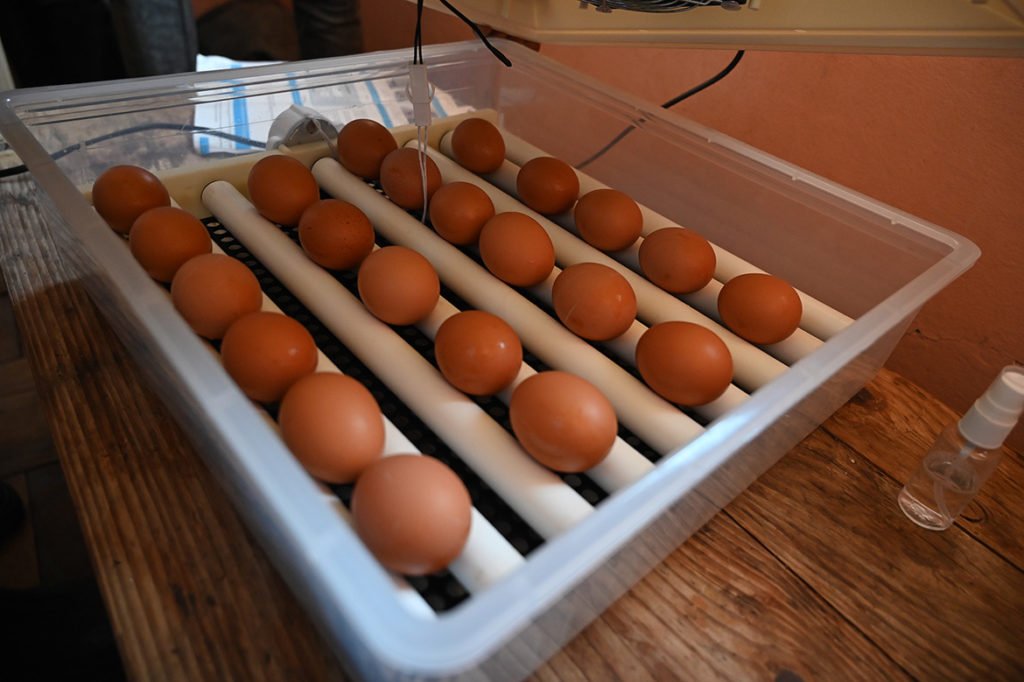
Before diving into troubleshooting, it’s crucial to understand the basic incubation process. Chicken eggs typically require 21 days to hatch, during which time they need a consistent temperature and humidity level. You can learn more about the ideal temperature settings for your incubator to ensure a successful hatch.
Common Incubation Issues
Temperature Fluctuations
One of the most common problems is temperature fluctuations. It’s crucial to maintain a consistent temperature inside the incubator. If the temperature is too high or too low, it can affect the embryo’s development. Consider using a reliable thermometer and checking it regularly to avoid this issue.
Humidity Levels
Humidity is another critical factor. Low humidity can cause the egg’s contents to evaporate too quickly, while high humidity can prevent proper air exchange. For more details on maintaining humidity, visit ventilation tips for chicken incubators.
Poor Ventilation
Proper ventilation ensures that the eggs receive enough oxygen. An incubator with inadequate ventilation can lead to suffocation of developing embryos. It’s essential to check the ventilation system of your incubator and adjust it as necessary.
How to Address Incubator Issues
Calibrating Your Incubator
Ensure your incubator is calibrated correctly by checking its settings against an accurate external thermometer. This step can prevent many temperature-related issues.
Regular Monitoring
Consistent monitoring of your incubator’s conditions is vital. Regularly check temperature and humidity levels and adjust them as necessary to maintain optimal conditions.
Candling Eggs
Candling eggs allows you to monitor the embryo’s development and identify any issues early. This process involves shining a light through the egg to observe its contents. For more on this, see this guide on candling frequency.
Advanced Troubleshooting Tips
Handling Power Outages
Power outages can be detrimental to the incubation process. Having a backup power source or a plan in place is essential to keep your incubator running during an outage.
Dealing with Fertility Issues
Sometimes, the problem lies not with the incubator but with the eggs themselves. It’s crucial to test egg fertility before incubation. Learn more about this process here.
Cleaning and Maintenance
Regular cleaning and maintenance of your incubator can prevent many issues. Ensure that your incubator is clean and free from any bacteria or mold that could harm developing embryos.
External Resources
For a deeper understanding of the incubation process and to explore further troubleshooting tips, consider visiting Farmbrite’s guide on incubating chicken eggs.
Conclusion
Successfully incubating chicken eggs requires attention to detail and a willingness to address any issues that arise. By understanding the common problems and implementing the solutions discussed, you can improve your hatch rate and enjoy the rewarding experience of raising chickens. Remember, preparation and consistent monitoring are key to a successful hatch.
FAQs
How often should I check the incubator?
It’s advisable to check the incubator’s temperature and humidity levels daily to ensure they stay within the optimal range.
What should I do if an egg doesn’t hatch on time?
If an egg doesn’t hatch on time, it may be due to temperature or humidity issues. Double-check these conditions and candle the egg to assess the embryo’s development.
Is it necessary to turn the eggs during incubation?
Yes, turning the eggs regularly is crucial to prevent the embryo from sticking to the shell. Most incubators have an automatic turning feature, but if yours doesn’t, you’ll need to turn the eggs manually.
This article contains affiliate links. We may earn a commission at no extra cost to you.