Embarking on a school hatching project can be an exciting and educational experience for students of all ages. In this guide, we will provide tips for school hatching projects to ensure a successful and engaging learning journey. Whether you’re a teacher, student, or a curious parent, these insights will help you understand the key aspects of hatching eggs in a school setting.
Understanding the Basics of Egg Incubation
Before diving into the specifics, it’s essential to understand the basics of egg incubation. The process involves maintaining the right temperature, humidity, and turning the eggs regularly to ensure the development of healthy chicks. For more detailed guidance, you can refer to this beginners guide to egg incubation.
Choosing the Right Incubator
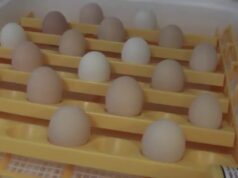
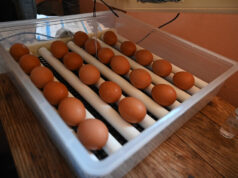
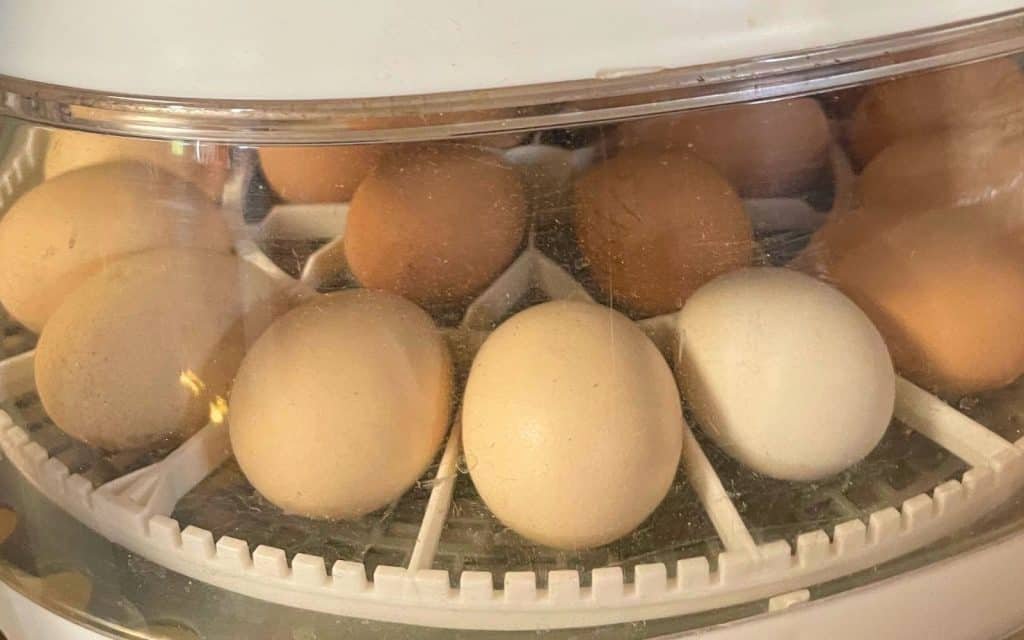
Selecting a suitable incubator is crucial. Consider factors like size, automatic turning features, and temperature control. An incubator with a clear top is beneficial for observing the eggs without disturbing them.
Selecting Eggs for Incubation
Choose fresh, fertilized eggs from a reliable source. Avoid eggs with cracks or irregular shapes, as these may affect hatching success.
Setting Up the Incubator
Proper setup is vital for the success of your hatching project. Ensure the incubator is placed in a stable environment with minimal temperature fluctuations.
Maintaining the Right Temperature and Humidity
Temperature should be consistently around 99.5F (37.5C). Humidity levels should be adjusted throughout the incubation period. For a detailed explanation of maintaining humidity, visit how to maintain humidity in an incubator.
Turning the Eggs
Eggs need to be turned at least three times a day to prevent the embryo from sticking to the shell. Some incubators come with an automatic turning feature, which can be a great help.
Monitoring the Incubation Process
Regular monitoring is key to ensuring the eggs develop correctly. Use a thermometer and hygrometer to check the incubator conditions daily.
Candling the Eggs
Candling is a process used to check the development of embryos inside the eggs. It helps identify non-viable eggs. Learn more about candling techniques at when to start candling chicken eggs.
Preparing for Hatch Day
As the hatch day approaches, stop turning the eggs and increase the humidity slightly. This helps mimic the natural environment in which chicks hatch.
After the Chicks Hatch
Once the chicks hatch, they need special care and attention. Allow them to dry and gain strength before transferring them to a brooder.
Setting Up a Brooder
A brooder is a safe, warm space for chicks to grow. Ensure it has a heat lamp, food, and water. Keep the brooder clean to prevent diseases.
Feeding and Caring for Chicks
Provide a balanced diet suitable for chicks, and ensure they have access to clean water. Monitor their health and growth closely.
Educational Benefits of Hatching Projects
Beyond the excitement of hatching chicks, these projects offer valuable educational benefits. Students learn about biology, responsibility, and the life cycle of animals.
Incorporating Lessons into the Curriculum
Teachers can integrate lessons about animal science, math (tracking incubation periods), and art (drawing and observing chicks) into the curriculum.
Encouraging Curiosity and Responsibility
Hatching projects foster a sense of responsibility and curiosity. Students gain firsthand experience in caring for living creatures.
FAQs
What type of eggs should we use for hatching projects?
Use fresh, fertilized eggs from a reliable source. Avoid eggs with cracks or irregular shapes as they may not hatch successfully.
How do we maintain the right temperature and humidity?
Maintain a temperature of around 99.5F (37.5C) and adjust humidity levels throughout the incubation period. For more information, refer to this guide on incubating chicken eggs.
Why is candling important?
Candling helps monitor the development of embryos and identify non-viable eggs. It ensures only healthy eggs continue in the hatching process.
This article contains affiliate links. We may earn a commission at no extra cost to you.