Egg incubation is a fascinating process that many chicken enthusiasts undertake to hatch their own chicks. However, it’s essential to follow safety tips for incubator use to ensure a successful hatching experience. Whether you’re a beginner or an experienced breeder, understanding these tips can make all the difference. In this article, we’ll explore crucial safety measures to take when using an incubator, helping you achieve the best results while keeping your eggs safe.
Understanding the Importance of Safety in Incubation
Incubating eggs is a delicate process that requires attention to detail and adherence to safety protocols. These safety tips for incubator use are not just about ensuring the well-being of the eggs but also about maintaining a safe environment for you and your family.
Why Safety Matters in Incubation
The process of hatching eggs involves maintaining precise temperature and humidity levels. Any deviation from these conditions can lead to unsuccessful hatches or even pose risks to the eggs and incubator. Thus, understanding and implementing these safety tips for incubator use is crucial for any chicken lover.
Essential Safety Tips for Incubator Use
1. Choosing the Right Incubator
When selecting an incubator, ensure it suits your specific needs. Consider the number of eggs you plan to hatch and the features that will make the process easier and safer for you. For more information on choosing the right incubator, you can visit this guide on incubator setup.
2. Maintaining Proper Temperature
One of the most critical safety tips for incubator use is maintaining a consistent temperature. Most chicken eggs require a temperature of around 99.5F (37.5C). Any significant fluctuation can affect the development of the embryos.
3. Monitoring Humidity Levels
Humidity is another vital factor in the incubation process. Too much or too little humidity can harm the eggs. Regularly check and adjust the humidity levels to maintain an optimal environment. For more on this topic, you can read about maintaining humidity in incubators.
4. Ensuring Proper Ventilation
Good ventilation is essential for providing fresh air to the developing embryos. Ensure your incubator has proper air circulation to prevent the build-up of harmful gases.
5. Regularly Cleaning the Incubator
Keeping the incubator clean is crucial for preventing bacterial growth and ensuring a healthy environment for the eggs. Regularly clean and disinfect the incubator according to the manufacturer’s instructions.
6. Handling Eggs with Care
When placing eggs in the incubator, handle them with care to avoid any damage. Gentle handling minimizes the risk of cracks or contamination.
7. Turning Eggs Regularly
Manually turning the eggs several times a day mimics the natural process and helps prevent the embryos from sticking to the shell. Automated incubators often have a built-in egg turning feature.
8. Monitoring Incubator Performance
Regularly check the incubator’s performance and make necessary adjustments. This includes checking the thermostat, hygrometer, and any alarms that indicate irregularities.
9. Preparing the Incubator Before Use
Before placing eggs in the incubator, ensure it is fully operational and set to the correct temperature and humidity levels. Conduct a test run to verify everything is functioning correctly.
10. Being Ready for Emergencies
Have a plan in place in case of power failures or other emergencies. A backup power source or an alternative method of maintaining temperature and humidity can save your hatch.
11. Keeping a Record of Incubation
Keeping detailed records of each incubation session helps you track progress and identify areas for improvement. Record temperature, humidity, and any notable events during the incubation period.
12. Avoiding Overcrowding
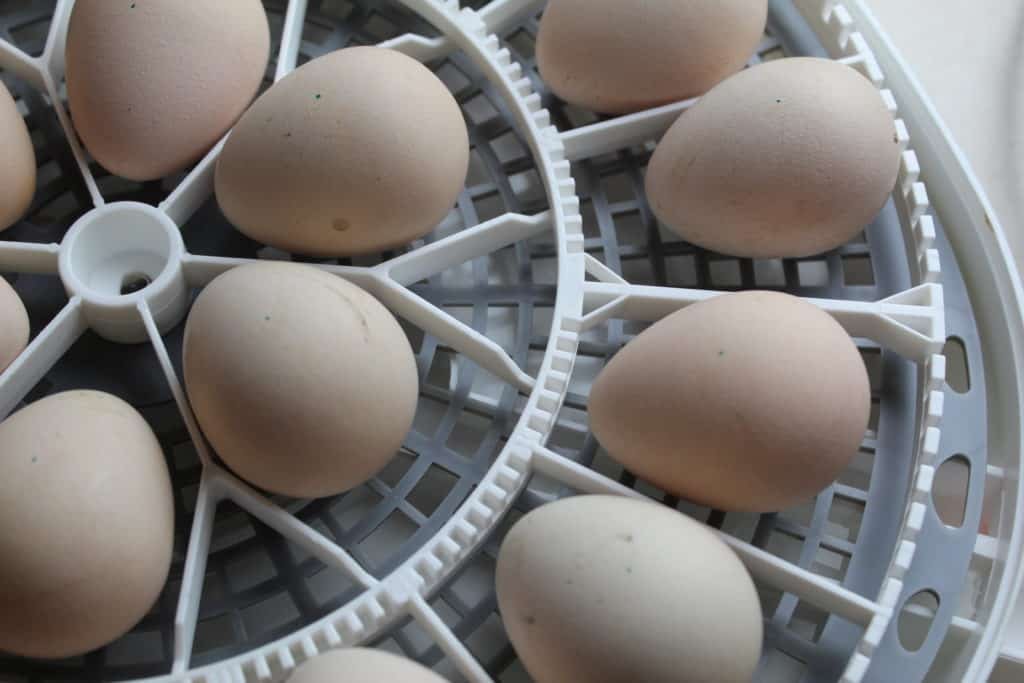
Overcrowding can lead to insufficient air circulation and uneven temperature distribution. Ensure there is enough space between the eggs to promote healthy development.
13. Using Reliable Equipment
Invest in high-quality incubators and related equipment to ensure consistent and reliable performance. This investment will pay off in the long run with higher hatch rates and fewer complications.
14. Educating Yourself Continuously
Stay informed by reading up-to-date resources and attending workshops or seminars on egg incubation. Continuous education will keep you aware of the latest advancements and best practices.
15. Seeking Help When Needed
If you encounter any issues or have questions about the incubation process, don’t hesitate to seek help from experienced breeders or experts. Communities and forums can be valuable resources for advice and support.
FAQ Section
What is the ideal temperature for incubating chicken eggs?
The ideal temperature for incubating chicken eggs is around 99.5F (37.5C).
How often should I turn the eggs during incubation?
Eggs should be turned at least three times a day to prevent the embryos from sticking to the shell.
What should I do if the incubator’s temperature fluctuates?
If you notice temperature fluctuations, check the thermostat and ensure the incubator is placed in a stable environment away from drafts and direct sunlight.

Conclusion
Following these safety tips for incubator use will help you achieve a successful hatching experience. By prioritizing safety and being well-prepared, you can enjoy the rewarding process of bringing new life into the world. For more information on egg incubation, check out our beginner’s guide to egg incubation.
This article contains affiliate links. We may earn a commission at no extra cost to you.