For chicken enthusiasts, the art of hatching eggs is both an exciting and rewarding endeavor. Whether you’re a seasoned poultry farmer or a backyard chicken keeper, understanding the various mini incubator uses can significantly enhance your hatching success rate. A mini incubator is an essential tool for anyone looking to hatch eggs efficiently and safely.
Incorporating a beginner’s guide to egg incubation can offer foundational insights into the process, ensuring that even newbies can achieve great results.

What is a Mini Incubator?
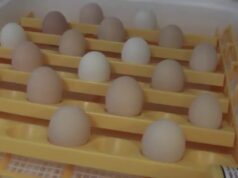
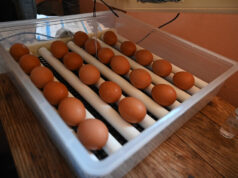
A mini incubator is a compact device designed to simulate the conditions necessary for eggs to hatch. These devices are particularly popular among chicken lovers due to their efficiency and ease of use. They maintain optimal temperature, humidity, and ventilation levels, which are crucial for the development of embryos inside the eggs.
Benefits of Using a Mini Incubator
Using a mini incubator offers several advantages:
1. Space Efficiency
Due to their compact size, mini incubators fit well in small spaces, making them ideal for backyard chicken enthusiasts who do not have much room to spare.
2. Cost-Effectiveness
Compared to larger incubators, mini versions are generally more affordable, allowing hobbyists to hatch eggs without significant financial investment.
3. User-Friendly Features
Most mini incubators come with intuitive controls that allow users to easily manage the hatching environment. This feature is particularly beneficial for beginners.
Choosing the Right Mini Incubator
When selecting a mini incubator, consider factors such as capacity, durability, and ease of maintenance. It’s also important to choose an incubator with reliable temperature and humidity controls.
Setting Up Your Mini Incubator
Proper setup is crucial for successful egg hatching. Begin by placing the incubator in a stable environment away from direct sunlight and drafts. Ensure that it is clean and free from contaminants before use.
Egg Preparation and Placement
Gently clean the eggs to remove any debris before placing them in the incubator. Ensure that the eggs are positioned correctly, usually on their sides or points down, depending on the incubator’s design.
Managing Temperature and Humidity
Maintaining the right temperature and humidity is vital. Most chicken eggs require a temperature of about 99.5F (37.5C) and humidity levels of 50-55% for the first 18 days, increasing to 65-70% towards the hatching period. For more in-depth guidance, visit humidity maintenance tips.
Turning the Eggs
Egg turning is essential to prevent the embryo from sticking to the shell. Manual or automatic turning should occur at least three times a day up until the last few days before hatching.
Monitoring Progress
Regularly check the incubator to ensure it is functioning correctly. Candling the eggs can also help monitor embryo development, providing insights into which eggs are viable.
Preparing for Hatch Day
A few days before the anticipated hatch day, stop turning the eggs and increase the humidity. This helps soften the shell, making it easier for chicks to break through.
Post-Hatch Care
Once the chicks hatch, allow them time to dry and gain strength before moving them to a brooder. Ensure the brooder is warm and safe, with access to food and water. For comprehensive post-hatch care, refer to chick care tips.
Common Challenges and Solutions
Hatching eggs can come with challenges, such as temperature fluctuations or failed hatches. Regular monitoring and adjustments can help address these issues effectively.
Mini Incubator Maintenance
After each batch of eggs, thoroughly clean and disinfect the incubator to prevent contamination and ensure its longevity.
Advanced Techniques for Experienced Users
Experienced chicken keepers sometimes experiment with staggered hatches or specialty breeds. These advanced techniques require additional knowledge and precision.
Conclusion
Mastering the mini incubator uses can significantly enhance your poultry farming experience, leading to successful hatches and healthy chicks. Whether you’re starting out or looking to refine your skills, a mini incubator is an invaluable tool for any chicken lover.

FAQ
1. How often should eggs be turned in a mini incubator?
Eggs should be turned at least three times daily until three days before hatching.
2. What temperature should a mini incubator be set at?
Most chicken eggs require a temperature of 99.5F (37.5C) for optimal development.
3. How can I tell if an egg is developing inside a mini incubator?
Candling the eggs can help you see the embryo’s development and assess viability.
For additional tips and detailed guidance, consider exploring resources like how to use an incubator or egg incubation techniques.
This article contains affiliate links. We may earn a commission at no extra cost to you.