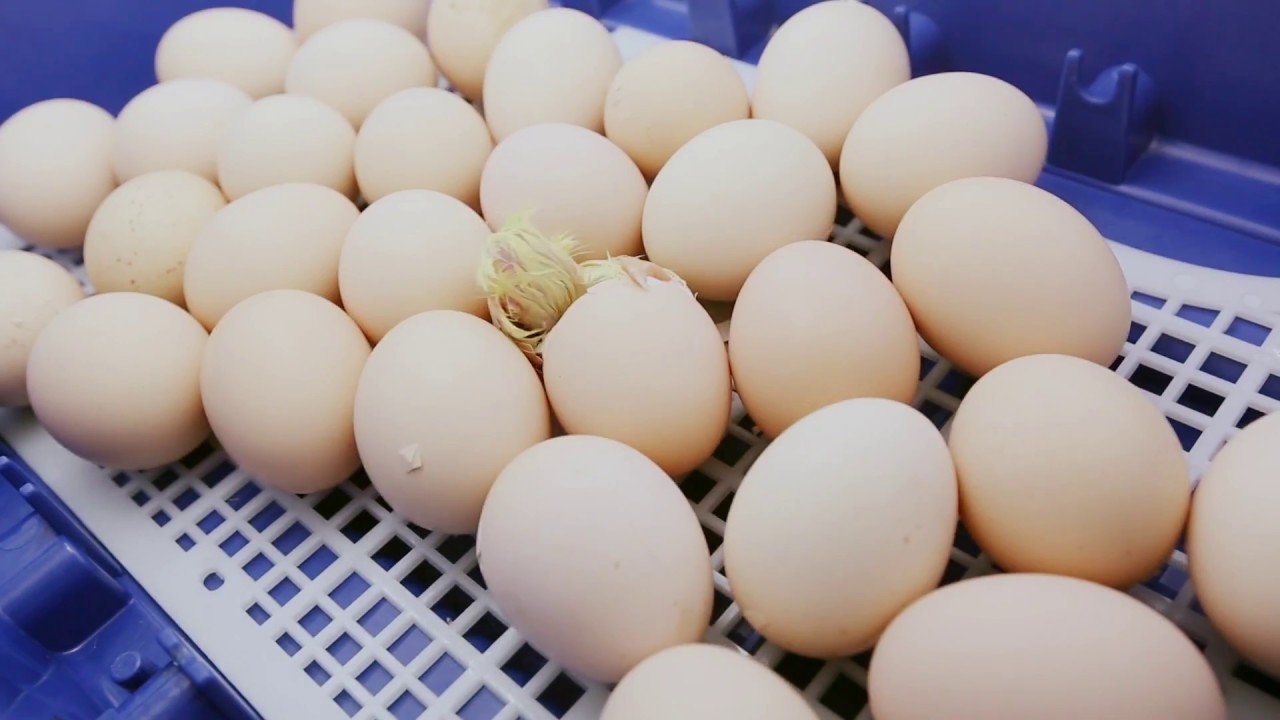
For chicken lovers and aspiring hatchers, understanding how to turn eggs in incubator is crucial to achieving a successful hatch. This process is essential to ensure the development of healthy chicks. By ensuring that eggs are properly turned, you can prevent the embryo from sticking to the shell and promote even development. Let’s explore this fascinating topic and learn how to optimize the hatching process by turning eggs correctly.
The Importance of Turning Eggs
Turning eggs during incubation mimics the natural behavior of a hen, which regularly turns her eggs to keep them warm and ensure even development. This step is critical in preventing the embryo from attaching to the shell, which can lead to deformities or unsuccessful hatching.
How Often Should You Turn Eggs?
It is generally recommended to turn eggs at least three to five times a day. This frequency helps maintain the embryo’s position and promotes proper development. More frequent turning, such as every hour, can be beneficial but is not strictly necessary for all hatching processes. For more detailed guidance on ideal practices, visit this best incubator practices for hatching.
Manual vs. Automatic Egg Turning
When it comes to turning eggs, you have two main options: manual turning or using an automatic egg turner. Each method has its benefits and drawbacks.
Manual Egg Turning
Manual turning involves physically rotating the eggs by hand. This method is cost-effective and allows you to have full control over the process. However, it requires consistent attention and a schedule to ensure eggs are turned at the right intervals.
Automatic Egg Turners
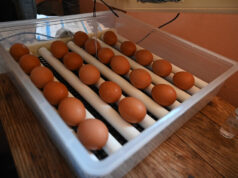
Automatic egg turners are devices that rotate the eggs at set intervals, reducing the workload on the hatchery. They provide consistency and reliability, ensuring that eggs are turned regularly without manual intervention. For those who prefer a hands-off approach, automatic turners are a worthwhile investment.
Setting Up Your Incubator
Before you start turning eggs, it’s important to ensure your incubator is set up correctly. This includes maintaining the right temperature and humidity levels. For guidance on the ideal temperature for your incubator, check out ideal temperature for chicken incubator.
Temperature and Humidity
The temperature inside the incubator should be kept around 99.5F (37.5C), while humidity levels typically range from 40-50% for the first 18 days, increasing to 65-75% during the final days of hatching. These conditions help ensure proper embryo development and successful hatching.
Preparing Eggs for Incubation
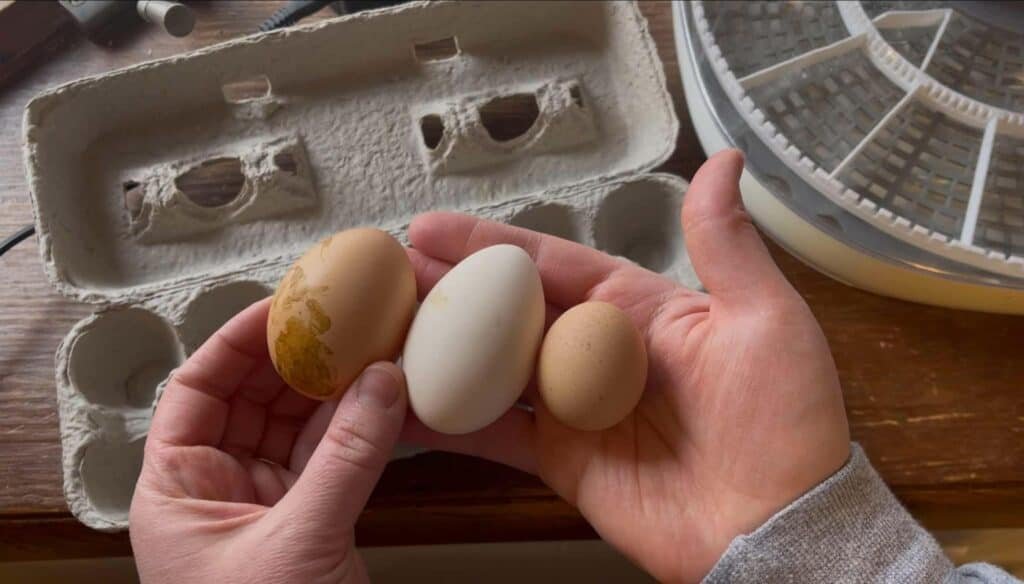
Before placing eggs in the incubator, it’s crucial to select the right eggs and prepare them properly. Start by choosing clean, unwashed eggs from healthy chickens. It’s also beneficial to test egg fertility before incubation, as explained in how to test egg fertility before incubation.
Storing Eggs Before Incubation
Store eggs in a cool, dry place before incubation. Ideally, they should be stored at 55F (13C) with a relative humidity of 70-80%. Avoid storing eggs for more than seven days to maximize hatch rates.
Starting the Incubation Process
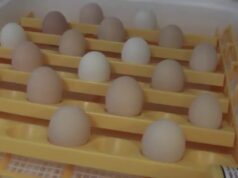
Once your incubator is set up and the eggs are prepared, you can begin the incubation process. Place the eggs in the incubator with the pointed end facing down. Ensure they are spaced evenly to allow for proper air circulation.
Monitoring Egg Development
Throughout the incubation process, it’s crucial to monitor egg development. Candle the eggs regularly to check for signs of growth and remove any infertile or dead eggs. For a guide on how often to candle eggs, visit how often to candle eggs.
Handling Eggs During Incubation
Handle eggs with care during incubation. Always wash your hands before touching the eggs to prevent contamination. Be gentle when turning or moving eggs to avoid damaging the developing embryo.
Maintaining Optimal Conditions
Ensure that the incubator maintains stable temperature and humidity levels throughout the incubation period. Sudden changes can negatively affect embryo development and hatch rates.
Preparing for Hatch Day
As hatch day approaches, stop turning the eggs three days before the expected hatch date. Increase the humidity levels to help the chicks break through the shell. Ensure the incubator remains closed to maintain the necessary conditions for hatching.
Signs of a Successful Hatch
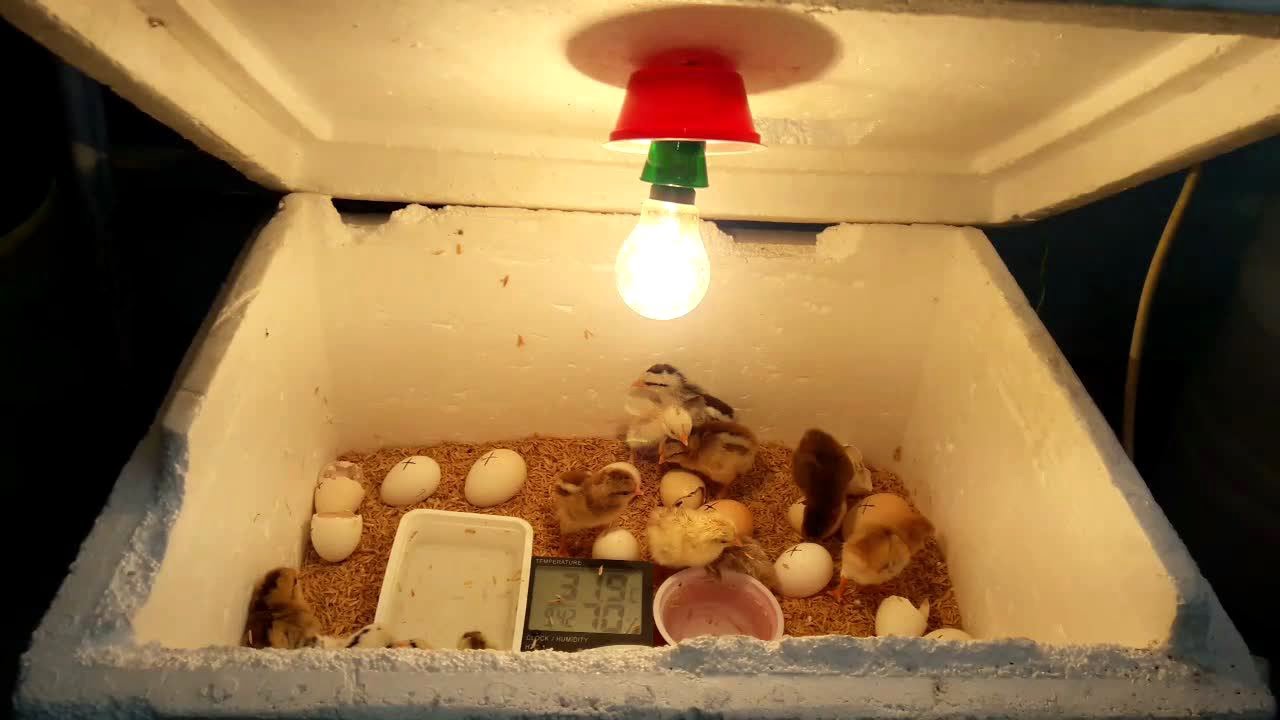
During the final days, you may notice signs of the chicks preparing to hatch, such as increased movement and peeping sounds. Once the chicks start hatching, allow them to dry in the incubator before moving them to a brooder.
Caring for Newborn Chicks
After hatching, transfer the chicks to a brooder with a heat source to keep them warm. Provide fresh water and chick starter feed to support their growth and development. For more tips on caring for chicks, visit this guide on hatching chicks in an egg incubator.
Monitoring Chick Health
Monitor the chicks closely for any signs of illness or distress. Ensure they have access to clean water and food and adjust the brooder temperature as needed to keep them comfortable.
Conclusion
Learning how to turn eggs in incubator is a vital skill for anyone interested in hatching chicks. By following these guidelines and maintaining optimal conditions, you can increase your chances of a successful hatch and enjoy the rewarding experience of raising healthy chicks.
FAQs
How often should I turn the eggs?
Eggs should be turned at least three to five times a day to ensure proper development.
Can I use an automatic egg turner?
Yes, automatic egg turners are a convenient option for ensuring eggs are turned regularly without manual intervention.
What should I do if a chick struggles to hatch?
It’s best to allow chicks to hatch on their own, as they often need the struggle to strengthen. However, if a chick is struggling for an extended period, you may gently assist by carefully removing small pieces of the shell.
This article contains affiliate links. We may earn a commission at no extra cost to you.