Managing multiple incubators can be a challenging yet rewarding task, especially for chicken lovers and poultry enthusiasts who are keen on increasing their hatch rates and ensuring healthy chicks. Understanding how to manage multiple incubators effectively is crucial for achieving the best outcomes. Whether you’re a seasoned farmer or a hobbyist, mastering this skill will elevate your egg hatching game to the next level.
To get started, it’s essential to comprehend the intricacies involved in handling more than one incubator. This includes maintaining the correct temperature, humidity, and ventilation, while also ensuring regular monitoring and cleaning. Let’s delve deeper into each aspect to help you become proficient in managing multiple incubators.
1. Understanding Incubator Basics
1.1 What Is an Incubator?
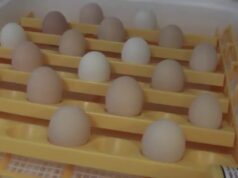
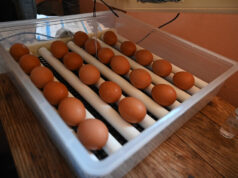
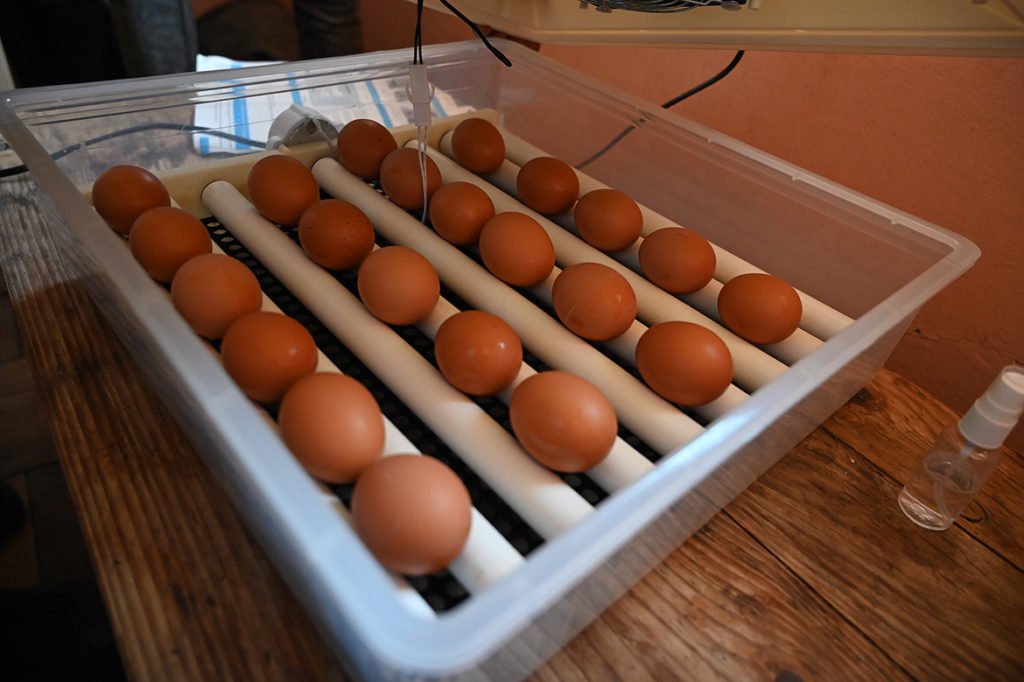
An incubator is a device used to create and maintain a controlled environment for hatching eggs. It mimics the conditions provided by a mother hen, ensuring that the eggs are kept at the right temperature and humidity levels throughout the incubation period.
1.2 Types of Incubators
There are several types of incubators available, each with its own set of features. Some common types include forced-air incubators, still-air incubators, and automatic turning incubators. Selecting the right type for your needs is the first step in managing multiple incubators.
2. Setting Up Your Incubators
2.1 Location and Space Considerations
When managing multiple incubators, choosing the right location is crucial. Ensure that the space is clean, well-ventilated, and free from temperature fluctuations. This helps in maintaining a stable environment for the incubators.
2.2 Power Supply and Backup
Having a reliable power supply is vital when managing multiple incubators. Consider investing in a backup generator or an uninterrupted power supply to avoid any disruptions during the incubation process.
3. Monitoring Temperature and Humidity
3.1 Ideal Temperature and Humidity Levels
The success of hatching largely depends on maintaining the right temperature and humidity levels. Most eggs require a temperature of around 99.5F (37.5C) and a humidity level of 50-55% during the initial incubation period. Adjustments might be necessary depending on the species of the eggs.
3.2 Using Thermometers and Hygrometers
Invest in high-quality thermometers and hygrometers to accurately monitor the conditions inside each incubator. Regular checks will help in maintaining optimal conditions and preventing any potential issues.
4. Egg Management and Rotation
4.1 Egg Selection and Setting
Selecting the right eggs is crucial for a successful hatch. Ensure that the eggs are clean, fertile, and free from cracks. Regularly turn the eggs to prevent the embryo from sticking to the shell, which is especially important when managing multiple incubators.
4.2 Consistent Monitoring
Regular monitoring is essential to ensure that all incubators are functioning correctly. Check for any temperature or humidity fluctuations and make adjustments as needed. Consistent monitoring will help you catch any issues early on.
5. Cleaning and Maintenance
5.1 Regular Cleaning Protocols
Maintaining cleanliness is vital for preventing bacterial growth and ensuring a healthy hatching environment. Follow a regular cleaning schedule for each incubator and use safe cleaning solutions to avoid any contamination.
5.2 Equipment Maintenance
Regularly inspect and maintain your incubators to ensure they are in good working condition. This includes checking the heating elements, fans, and other components for any signs of wear and tear.
6. Post-Hatch Care
6.1 Caring for Newborn Chicks
Once the chicks hatch, transfer them to a brooder with appropriate heat and light conditions. Ensure they have access to clean water and food to promote healthy growth. For more detailed guidance on chick care, visit Chick Care After Incubator Hatching.
7. Troubleshooting Common Issues
7.1 Addressing Temperature Fluctuations
Temperature fluctuations can lead to poor hatch rates. Ensure that the incubators are placed in a stable environment and regularly check the thermostat settings to prevent any issues.
7.2 Dealing with Humidity Problems
Humidity problems can cause issues such as sticky chicks or dried-out membranes. Adjust the humidity levels as needed and ensure proper ventilation to prevent such problems. Learn more about maintaining humidity at How to Maintain Humidity in Incubator.
8. Learning and Improving
8.1 Keeping Records
Keep detailed records of each incubation cycle, including the dates, conditions, and outcomes. Analyzing these records will help you identify patterns and areas for improvement.
8.2 Continuous Learning
Stay informed about the latest advancements in incubation technology and techniques. Joining online forums and communities can provide valuable insights and tips from fellow poultry enthusiasts.

9. FAQs
9.1 How Often Should I Turn the Eggs?
It’s recommended to turn the eggs at least three to five times a day to prevent the embryo from sticking to the shell. Automatic turners can simplify this process, especially when managing multiple incubators.
9.2 What Is the Ideal Temperature for Incubation?
The ideal temperature for most poultry eggs is approximately 99.5F (37.5C). However, it’s crucial to follow the specific requirements for the species you’re incubating.
9.3 How Do I Maintain Humidity Levels?
Maintaining humidity levels involves regularly checking and adjusting the water levels in the incubator’s water trays. Using a hygrometer will help you monitor humidity accurately. For more tips, check out How to Maintain Humidity in Incubator.
Managing multiple incubators requires attention to detail, patience, and a commitment to learning. By following the guidelines outlined in this article, you’ll be well on your way to achieving successful hatches and raising healthy chicks. For additional resources and detailed guides, visit Care and Incubation of Hatching Eggs.
This article contains affiliate links. We may earn a commission at no extra cost to you.