For those passionate about chickens and hatching eggs, achieving a high success rate is often a rewarding experience. Whether you’re a seasoned farmer or a beginner, learning how to hatch eggs with high success rate can significantly enhance your hatchery’s productivity and your personal satisfaction.
Understanding the science and art behind egg incubation and hatching is crucial. In this article, we’ll delve into the essential steps and considerations to ensure your eggs hatch successfully.
Understanding the Basics of Egg Incubation
What is Egg Incubation?
Egg incubation is the process of keeping fertilized eggs under controlled environmental conditions to develop and eventually hatch into chicks. This process mimics the natural incubation performed by a broody hen.
Why is Incubation Important?
Proper incubation is vital as it directly impacts the embryo’s development inside the egg. Temperature, humidity, and ventilation all play a crucial role in determining the success of the hatching process.
Essential Equipment for Successful Egg Hatching
Choosing the Right Incubator
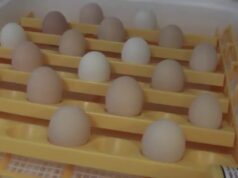
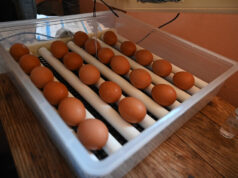
An incubator is a device that provides an ideal environment for eggs to develop. It’s important to choose an incubator that suits your needs, whether you’re hatching a few eggs or a large batch. For more information on selecting the right incubator, you can refer to Dalton Supplies.
Thermometers and Hygrometers
Accurate temperature and humidity measurements are essential. A reliable thermometer and hygrometer help monitor these parameters, ensuring they remain within optimal ranges throughout the incubation period.
Preparing for Incubation
Collecting and Storing Eggs
Before incubation, ensure you collect fertilized eggs and store them appropriately. Eggs should be stored in a cool, dry place and incubated within a week of laying for the best results. For more details, check out our egg storage guide.
Cleaning the Incubator
Before placing your eggs in the incubator, it’s crucial to clean and disinfect the incubator to prevent any bacterial infections that could harm the embryos.
Monitoring Incubation Conditions
Temperature Control
The ideal temperature for incubating chicken eggs is around 99.5F (37.5C). Maintaining a stable temperature is crucial throughout the incubation period to ensure healthy embryo development.
Maintaining Humidity
Humidity is another critical factor in successful hatching. Aim to maintain humidity levels between 40-50% for the first 18 days and increase to 65-75% during the final days. Learn more about maintaining humidity in our dedicated article.
Ventilation
Proper ventilation is essential to provide the developing embryos with oxygen and remove carbon dioxide. Ensure that your incubator has adequate ventilation holes.
Turning the Eggs
Why Turning is Important
Turning the eggs regularly prevents the yolk from sticking to the shell and helps distribute heat evenly. This should be done at least three times a day.
Automated Turners
For those who may not have the time to manually turn the eggs, automated egg turners are available and can be a great investment for serious hatchers.
Hatching Process
Day 18: Preparing for Hatch
On day 18, stop turning the eggs and increase the humidity. This period is known as ‘lockdown’ and prepares the eggs for hatching.
Watching for Pipping
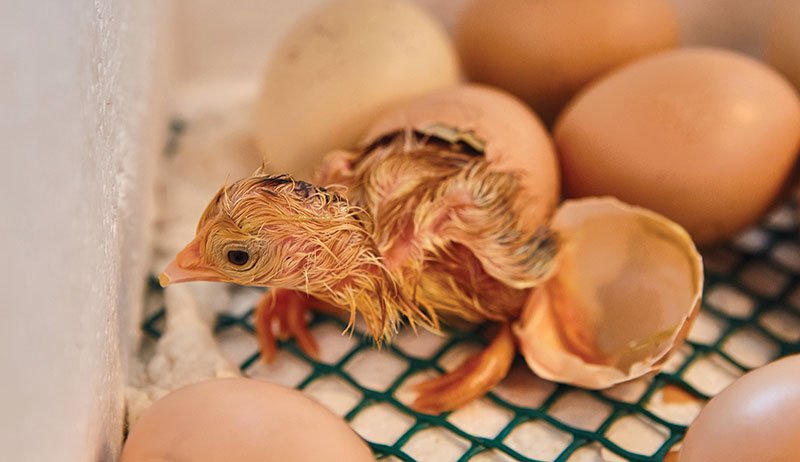
‘Pipping’ is the first crack in the eggshell made by the chick. Once pipping begins, it usually takes 12-24 hours for the chick to fully hatch.
Assisting with Hatching
While it’s best to let chicks hatch on their own, sometimes assistance is needed if a chick is struggling. However, intervene with caution as improper assistance can harm the chick.
Post-Hatching Care
Drying and Moving Chicks
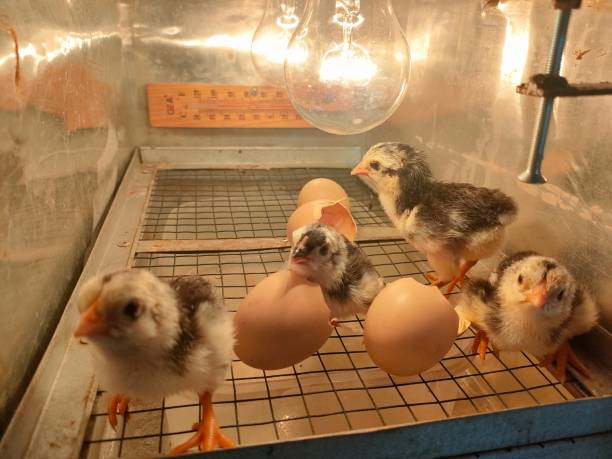
Once hatched, allow chicks to dry in the incubator before moving them to a brooder. This transition is crucial for their warmth and comfort. For more on brooder setup, visit our chick care guide.
First Feeding
After moving to the brooder, provide the chicks with water and chick starter feed.
Common Challenges and Solutions
Infertile Eggs
Infertile eggs can be a common issue. Ensure that you have a healthy rooster-to-hen ratio and regularly candle eggs to check for development. Learn more about candling eggs in our detailed guide.
Temperature Fluctuations
Using a reliable incubator and monitoring devices helps prevent harmful temperature fluctuations that can negatively impact embryo development.
Conclusion
By following these guidelines, you can increase your success rate when hatching eggs. With attention to detail and careful monitoring, you can enjoy the rewarding experience of watching new life emerge.
FAQ
What temperature should I set my incubator to?
The ideal temperature for chicken egg incubation is 99.5F (37.5C).
How often should I turn the eggs?
Eggs should be turned at least three times a day until day 18 of incubation.
When should I increase humidity in the incubator?
Increase humidity during the final days of incubation, starting from day 18.
This article contains affiliate links. We may earn a commission at no extra cost to you.