For those passionate about poultry, keeping track of the egg incubation process is crucial. This is where egg incubation journal templates come in handy. These templates help enthusiasts document every stage of the incubation process, ensuring no detail is overlooked. Let’s delve into why these templates are essential for every chicken lover.

Why Use an Egg Incubation Journal?
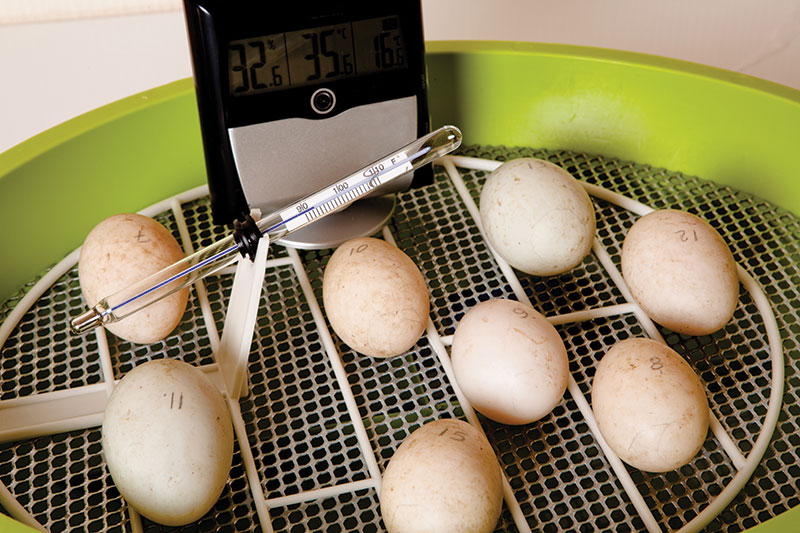
Egg incubation journal templates are essential tools for anyone involved in hatching. They provide a structured way to track important data, such as temperature, humidity, and egg rotation. This data is vital for ensuring successful hatching and understanding any issues that may arise. More information on hatching eggs at home can provide additional insights.
Benefits of Documenting the Incubation Process
Documenting the incubation process offers several advantages. It allows for reflection on what worked well and identifies areas for improvement. This is especially beneficial for those new to hatching or those experimenting with different breeds or environments. For more tips on managing incubation, check out humidity hacks.
Components of a Journal Template
A comprehensive egg incubation journal template should include sections for:
- Egg type and date of placement
- Temperature and humidity levels
- Egg rotation schedule
- Hatch date and outcome
Customizing Your Template
While standard templates are available, customizing your template can be beneficial. You can add sections that are specific to your setup or challenges. For instance, if you’re incubating in a hot climate, you might refer to incubating in hot climates for additional considerations.
How to Use a Journal Template Effectively
Using a journal template effectively involves consistent and accurate data entry. It’s important to update your journal regularly, ideally daily, to capture all necessary information. This helps in maintaining a clear record that can be used to troubleshoot any issues that arise.
Tracking Progress
Regular updates allow you to track the progress of your eggs closely. By consistently monitoring and recording data, you can quickly identify deviations from the ideal conditions and make necessary adjustments.
Common Challenges in Egg Incubation
Incubating eggs is not without its challenges. Common issues include temperature fluctuations, humidity control, and improper egg rotation. Each of these can significantly impact hatch rates. For troubleshooting, consider visiting the troubleshooting guide available at Chicken Things and More.
Overcoming Challenges
Addressing these challenges requires diligence and sometimes creative solutions. Keeping a detailed journal helps in identifying patterns or recurring issues, allowing you to take proactive measures.
Practical Tips for Beginners
For those new to egg incubation, starting with a simple setup and gradually adding complexity as you gain experience is advisable. Consistency is key, and using a journal can greatly assist in maintaining it. For more beginner tips, see this beginner’s guide.
Learning from Experience
Each hatching cycle offers an opportunity to learn. By using a journal, you can build on past experiences to improve future results. The more you document, the more insights you can gain.
Advanced Techniques for Experienced Hatchers
For those with more experience, experimenting with different techniques or breeds can be rewarding. Documenting these experiments in your journal allows for detailed analysis and comparison.
Innovative Approaches
Experienced hatchers often develop innovative approaches to improve hatch rates or efficiency. Sharing these techniques with the community can also lead to new discoveries and improvements.
Conclusion
Whether you are a novice or an expert, using egg incubation journal templates is an invaluable practice. It not only helps in tracking the incubation process but also in improving hatch rates and learning from each experience. Embrace the practice of journaling, and watch your hatching success grow.

FAQs
Q: Why is it important to use an egg incubation journal?
A: It helps track the incubation process, identify issues, and improve future hatching success.
Q: Can I use digital templates for egg incubation journals?
A: Yes, digital templates are convenient and can be easily customized to fit your needs.
Q: What should I include in my egg incubation journal?
A: Important data such as egg type, temperature, humidity, rotation schedule, and hatch outcome should be included.
This article contains affiliate links. We may earn a commission at no extra cost to you.