For those passionate about raising chickens, understanding the egg incubation calendar can make a significant difference in achieving successful hatching results. An egg incubation calendar serves as a guide to monitor and manage the incubation process, ensuring that you provide the optimal conditions necessary for the development and hatching of eggs. This comprehensive guide aims to provide you with insights and tips to help you master the art of egg incubation.
Embarking on the journey of incubating chicken eggs requires attention to detail, patience, and a good understanding of the egg incubation calendar. With a well-planned schedule, you can ensure the health and viability of your eggs, leading to successful hatches.
What is an Egg Incubation Calendar?
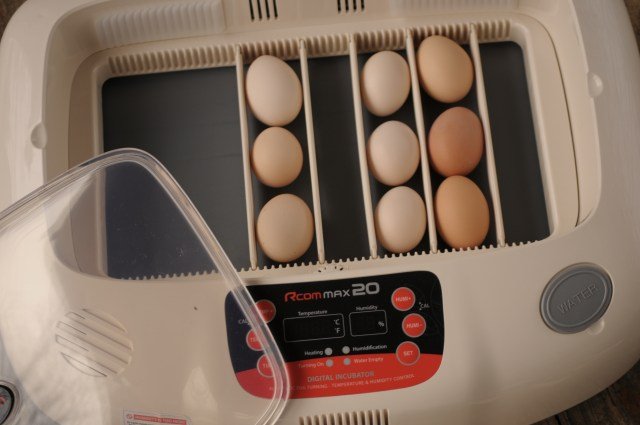
An egg incubation calendar is a tool used by poultry enthusiasts to keep track of the different stages of egg development during incubation. It helps in scheduling crucial tasks like turning the eggs, monitoring temperature and humidity, and preparing for the hatching day.
Why is it Important?
Having a clear egg incubation calendar is essential for ensuring that all necessary steps are taken at the right times. It minimizes the risk of errors such as incorrect temperature settings or forgetting to turn the eggs, which could lead to unsuccessful hatches.
Setting Up Your Egg Incubation Calendar
To set up an effective egg incubation calendar, start by marking the incubation period, which typically lasts 21 days for chicken eggs. You can find more insights on setting up your calendar by visiting this informative external guide.
Day 1: Egg Collection and Storage
Before placing the eggs in the incubator, ensure they are stored properly. Learn more about proper egg storage techniques to maintain their viability.
Day 2-18: Regular Monitoring and Turning
During the first 18 days, maintain a routine of turning the eggs at least three times a day. This prevents the embryo from sticking to the shell and ensures even development. Monitoring the temperature and humidity is crucial during this period. Discover how to maintain optimal humidity levels in your incubator.
Day 18-21: Lockdown Period
From day 18, stop turning the eggs and prepare for the hatching phase. This is known as the ‘lockdown’ period, where maintaining stable conditions is vital for the chicks’ development. For more details on the lockdown period, explore this helpful article.
Common Challenges and Solutions
Incubating chicken eggs can present several challenges, such as temperature fluctuations and humidity control. Learning to address these challenges is crucial for successful incubation.
Temperature Control
Maintaining a consistent temperature is essential. Any fluctuations can lead to developmental problems or failed hatches. Use a reliable thermometer and keep a close watch on the incubator settings.
Humidity Management
Humidity plays a crucial role during the incubation process. Too much or too little humidity can affect the hatch rate. Regularly checking and adjusting the humidity levels can mitigate these risks.
Preparing for Hatch Day
As hatch day approaches, it’s important to ensure that the environment is ready for the new chicks. This includes setting up a brooder and ensuring that you have all the necessary supplies.
Chick Care After Hatching
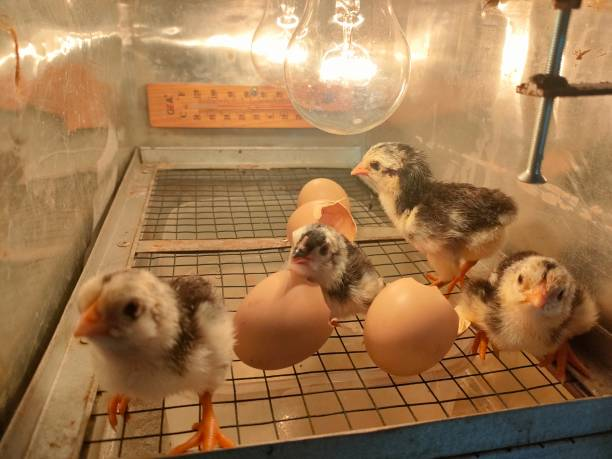
Once the chicks have hatched, they require special care to thrive. Make sure to provide a warm and safe environment for them. For detailed guidance on chick care, you can refer to this comprehensive guide.
FAQs
What is the ideal temperature for incubating eggs?
The ideal temperature for incubating chicken eggs is around 99.5F (37.5C). Consistency is key to ensuring proper development.
How often should eggs be turned in the incubator?
Eggs should be turned at least three times a day during the first 18 days of incubation to prevent the embryo from sticking to the shell.
What should I do if the humidity level drops in the incubator?
If the humidity level drops, add water to the incubator’s water channels and adjust the ventilation to increase humidity levels.
Understanding and following a well-planned egg incubation calendar is integral to achieving successful hatches. With the right knowledge and preparation, you can enjoy the rewarding experience of hatching your own chicks, contributing to your passion for poultry farming.
This article contains affiliate links. We may earn a commission at no extra cost to you.