For many poultry enthusiasts and farmers, the question of whether cheap incubators are reliable often arises. This is especially true for those starting in the world of chicken hatching. The affordability of these devices is undeniably attractive, but can they truly deliver on their promises? In this article, we will explore this question in detail, helping you make an informed decision.
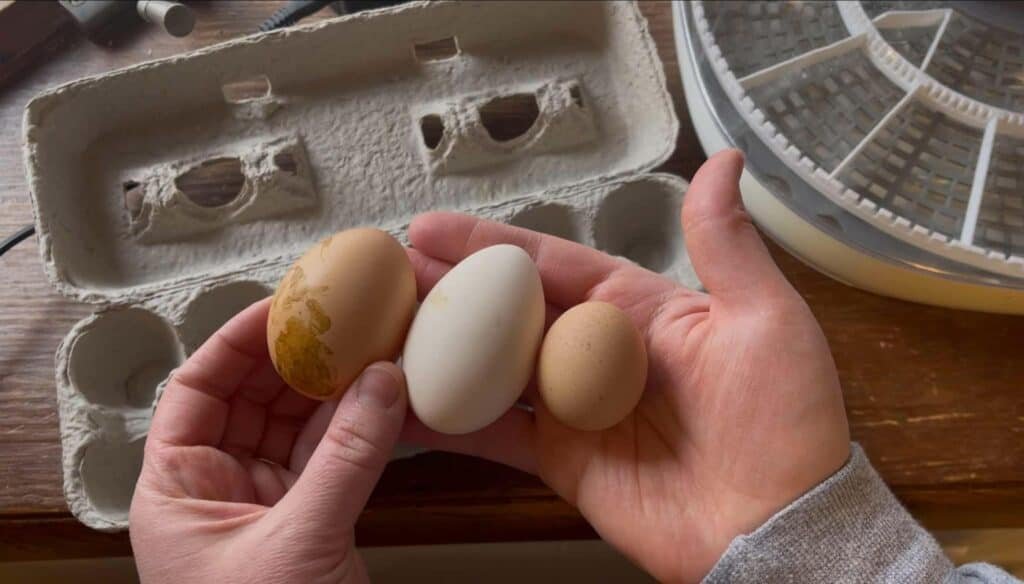
Understanding Incubators
Before diving into the reliability of cheap incubators, it’s essential to understand what an incubator does. An incubator is a device that creates an ideal environment for hatching eggs by maintaining the necessary temperature and humidity levels.
Types of Incubators
There are various types of incubators available on the market. They range from high-end models with advanced features to more affordable options. Generally, incubators can be classified into manual and automatic types, each with distinct features.
Basic Functions
At its core, an incubator should simulate the conditions a mother hen would provide. This includes keeping the eggs warm, maintaining humidity, and occasionally turning them. You can read more about egg incubator humidity for further understanding.
Factors Affecting Incubator Reliability
Several factors determine whether a cheap incubator will be reliable or not. These include:
Temperature Control
Accurate temperature control is vital for successful hatching. Incubators should maintain a stable temperature, usually around 99.5F for chicken eggs. Inconsistent temperatures can lead to poor hatch rates or even embryo mortality.
Humidity Levels
Maintaining the right humidity is crucial for the development of the embryo. Too little humidity can cause the egg to lose moisture, while too much can drown the embryo. Check out these incubating tips for handling humidity in different climates.
Egg Turning
Turning the eggs is important to prevent the embryo from sticking to the shell. Automatic incubators perform this task, while manual ones require you to turn the eggs yourself several times a day.
Advantages of Cheap Incubators
While there are concerns about their reliability, cheap incubators do have their advantages:
Affordability
The most obvious advantage is cost. Cheap incubators are accessible to beginners or those on a budget, allowing more people to experience the joys of hatching.
Simple Design
Many affordable incubators have a straightforward design, making them easier to operate without complex controls or settings.
Drawbacks of Cheap Incubators
However, there are also challenges associated with using cheap incubators:
Durability Concerns
Lower-priced models may use less durable materials, affecting their longevity and performance over time.
Limited Features
Basic models might lack advanced features such as automatic turning, digital displays, or precise temperature control, which can impact hatch rates.
Inconsistent Performance
Cheap incubators may not provide the consistent environment that is necessary for successful hatching.
Improving the Reliability of Cheap Incubators
If you decide to go with a cheap incubator, there are ways to enhance its reliability:
Regular Monitoring
Keep a close eye on the temperature and humidity levels. Using additional thermometers and hygrometers can help ensure accuracy.
Manual Adjustments
Be prepared to make manual adjustments to maintain the right conditions. This can be labor-intensive but crucial for success.
Proper Maintenance
Regular cleaning and maintenance can extend the life of your incubator and prevent malfunctions. For more tips, visit our troubleshooting guide.
Conclusion
When considering whether cheap incubators are reliable, it’s important to weigh the pros and cons. While they offer a cost-effective entry into egg hatching, they may require more effort and vigilance to achieve successful results. For those willing to put in the extra work, cheap incubators can indeed be a viable option. For further reading, learn how to use an incubator effectively from experts.

FAQs
Do cheap incubators work?
Yes, cheap incubators can work, but they might require more manual oversight and maintenance compared to more expensive models.
What is the best temperature for incubating chicken eggs?
The ideal temperature for incubating chicken eggs is around 99.5F. It’s important to maintain this temperature consistently.
How can I improve hatch rates with a cheap incubator?
Regular monitoring of temperature and humidity, along with proper maintenance, can help improve hatch rates when using a cheap incubator.
This article contains affiliate links. We may earn a commission at no extra cost to you.