Raising healthy chicks is a rewarding experience for any poultry enthusiast. However, one of the challenges that chicken lovers face is ensuring that their chicks grow without deformities. Understanding how to avoid deformities in chicks is crucial for anyone involved in poultry farming, whether on a small scale or a commercial level.
Deformities in chicks can arise due to a variety of factors, including genetic issues, poor incubation practices, and nutritional deficiencies. This article will guide you through the essential steps to prevent these deformities and ensure your chicks develop healthily.
Understanding Chick Deformities
Common Types of Deformities
Before diving into prevention, it’s important to recognize the common types of deformities that can affect chicks. These include crooked toes, spraddle leg, and beak deformities. Identifying these early can help in addressing the root causes effectively.
Causes of Deformities in Chicks
Several factors contribute to deformities in chicks. These include genetic predispositions, improper incubation conditions, and inadequate nutrition. Understanding these causes is the first step in preventing deformities.
Ensuring Proper Incubation Conditions
Temperature and Humidity Control
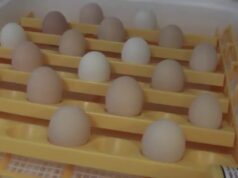
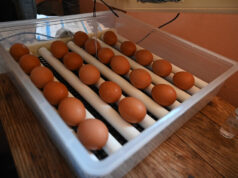
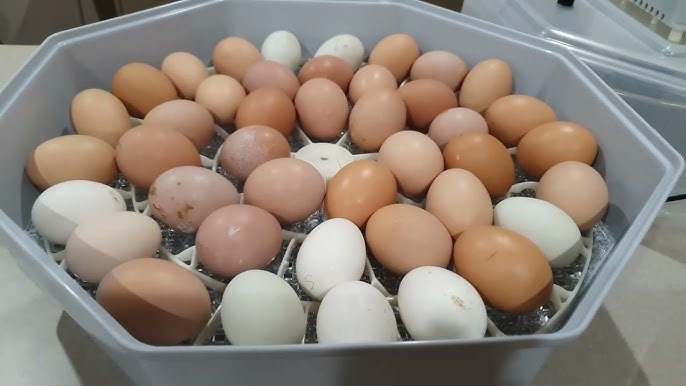
Maintaining the right temperature and humidity levels in the incubator is crucial. Temperatures should be consistent to prevent stress on the developing embryo. You can learn more about maintaining optimal humidity levels here.
Egg Handling and Storage
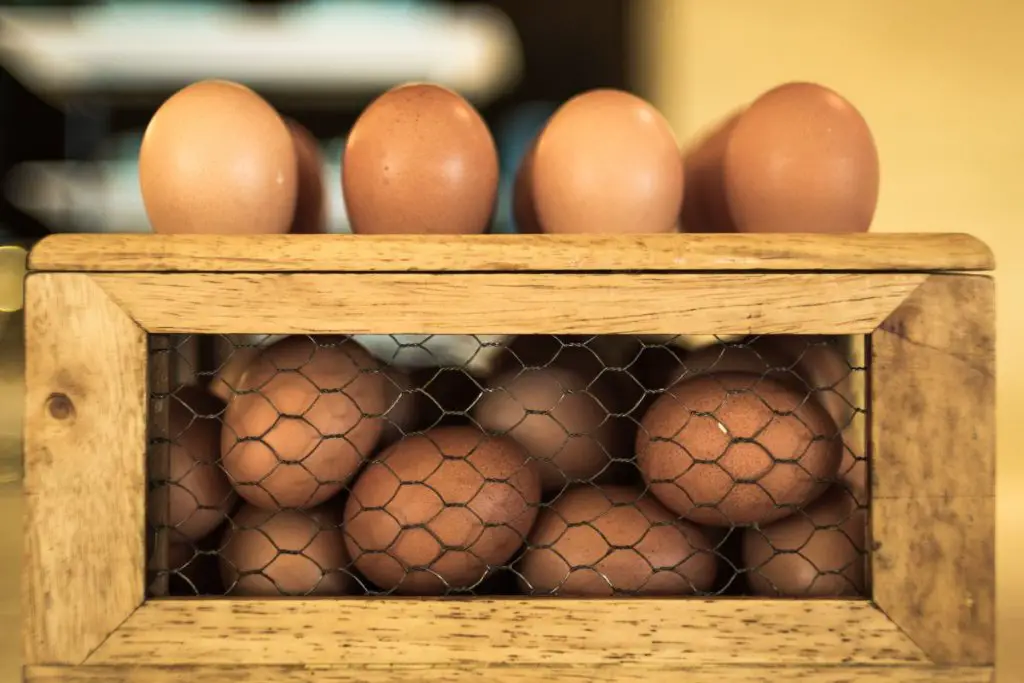
Proper egg handling before incubation is vital. Ensure eggs are stored at the right temperature and turned regularly to prevent the yolk from sticking to the shell. Explore detailed guidelines on egg storage.
Genetic Considerations
Selecting Healthy Breeding Stock
Choose breeding stock that is free from deformities and has a history of producing healthy offspring. This reduces the risk of genetic deformities in chicks.
Avoiding Inbreeding
Inbreeding can increase the likelihood of genetic deformities. Ensure genetic diversity by introducing new bloodlines into your flock periodically.
Nutritional Management
Balanced Diet for Breeding Hens
The diet of breeding hens plays a significant role in the health of their eggs. Ensure a balanced diet rich in essential vitamins and minerals to support embryo development.
Supplementing with Vitamins
Providing additional vitamins, such as Vitamin D and calcium, can prevent bone deformities in developing chicks.
Regular Monitoring and Intervention
Early Detection of Issues
Regularly monitor the eggs and chicks for any signs of deformities. Early detection allows for timely intervention, which can sometimes correct or mitigate the deformity.
Implementing Corrective Measures
If a deformity is detected, consult with a veterinarian or a poultry expert to implement corrective measures. This may include splinting or nutritional adjustments.
Hatching Practices
Ensuring Smooth Hatching
Avoid opening the incubator frequently during the last days of incubation. This can cause temperature and humidity fluctuations, which may lead to hatching issues. For more tips, check out our beginner’s guide to egg incubation.
Post-Hatch Care
After hatching, provide your chicks with a warm and safe environment. Proper post-hatch care is essential for their growth and development. Read more about chick care after hatching.
External Resources and Expert Advice
For more detailed information, consider visiting external resources such as Dalton Supplies which offers expert advice on egg incubation and chick care.
Conclusion
Preventing deformities in chicks requires a combination of good breeding practices, proper incubation conditions, and adequate nutrition. By following these guidelines, you can significantly reduce the risk of deformities and raise healthy, robust chicks.
FAQs
What causes deformities in chicks?
Deformities in chicks can be caused by genetic issues, poor incubation conditions, and nutritional deficiencies.
How can I ensure proper egg incubation?
Maintain consistent temperature and humidity levels, handle eggs carefully, and store them properly before incubation.
Why is genetic diversity important in breeding?
Genetic diversity prevents inbreeding, reducing the risk of genetic deformities in chicks.
This article contains affiliate links. We may earn a commission at no extra cost to you.