For anyone passionate about hatching chicken eggs, maintaining a clean and well-functioning incubator is crucial to achieving optimal hatch rates. A dirty incubator can harbor bacteria and fungi, leading to poor hatches or even egg loss. In this article, we will delve into various cleaning tips for egg incubators to ensure your eggs have the best chance of developing into healthy chicks. Whether you’re a beginner or an experienced hatchery enthusiast, these practical insights will guide you in keeping your incubator in top-notch condition.
Why Is Cleaning Your Egg Incubator Important?
Maintaining cleanliness in your egg incubator is essential for several reasons. First, it prevents the growth of harmful bacteria and fungi that can negatively impact egg health. Second, a clean incubator ensures consistent temperature and humidity levels, which are vital for successful hatching. Lastly, regular cleaning extends the lifespan of your incubator, ensuring it remains a reliable tool in your hatching endeavors.
Essential Cleaning Supplies for Egg Incubators
Gathering Your Materials
Before you start cleaning, gather essential cleaning supplies such as a soft brush, mild detergent, disinfectant, and clean cloths. Having these items on hand will make the cleaning process more efficient and effective.
Natural Cleaning Products
Consider using natural cleaning products, such as vinegar or baking soda, to clean your incubator. These options are environmentally friendly and safe for the eggs.
Step-by-Step Guide to Cleaning Your Egg Incubator
Disassembling the Incubator
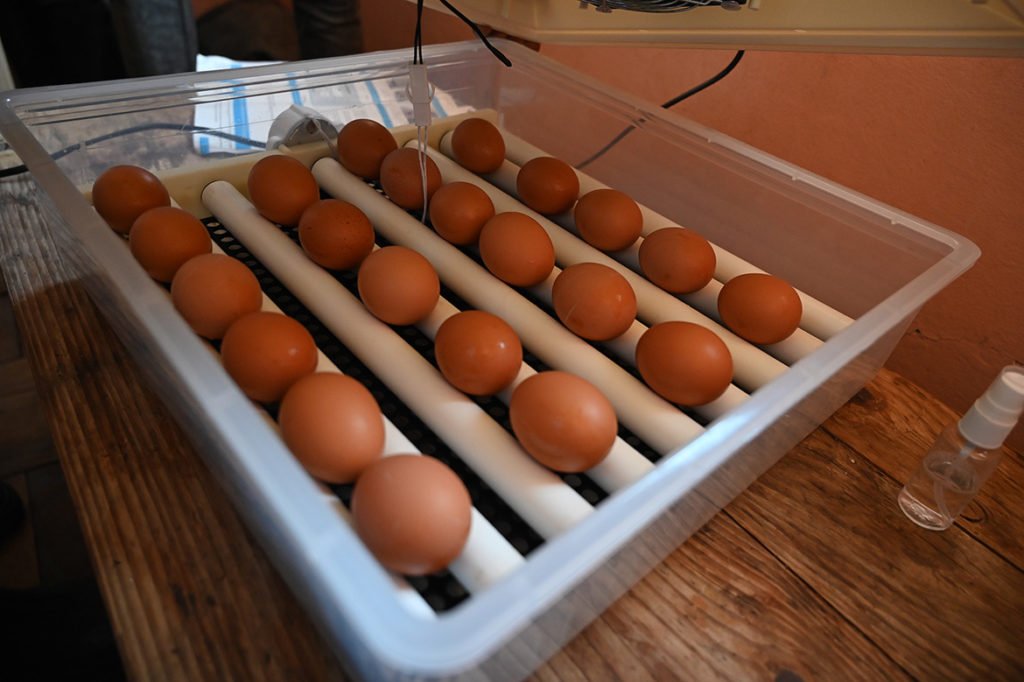
Begin by unplugging your incubator and disassembling removable parts, such as trays and water pans. This step allows for thorough cleaning of each component.
Cleaning the Incubator Base
Use a soft brush and mild detergent to gently scrub the incubator’s base. Pay special attention to corners and crevices where dirt may accumulate.
Washing Removable Components
Wash the removable parts with warm soapy water, ensuring all residue is removed. Rinse thoroughly and allow them to air dry completely before reassembling.
Disinfecting the Incubator
Once the incubator is clean, apply a suitable disinfectant to all surfaces. Ensure the disinfectant is safe for use around eggs and follow the manufacturer’s instructions for application.
Common Mistakes to Avoid When Cleaning Egg Incubators
While cleaning your incubator, avoid using harsh chemicals or abrasive materials that could damage the incubator or harm the eggs. Additionally, ensure all parts are thoroughly dry before reassembly to prevent mold growth.
Maintaining Your Egg Incubator Between Hatches
Regular maintenance is key to keeping your incubator in peak condition. After each hatch, clean the incubator thoroughly and inspect it for any signs of wear or damage. Address any issues promptly to ensure the incubator is ready for the next batch of eggs.
Additional Resources for Egg Incubator Care
For more detailed guidance on egg incubator care, consider visiting resources like Stromberg’s Chickens. Additionally, explore helpful articles such as Storing Eggs Before Incubation and Beginner’s Guide to Egg Incubation for comprehensive insights.
FAQs on Cleaning Egg Incubators
How often should I clean my egg incubator?
It’s recommended to clean your incubator after each hatch cycle to prevent bacterial build-up and ensure optimal performance.
Can I use bleach to clean my incubator?
While bleach is a powerful disinfectant, it can be harsh on incubators. Opt for milder disinfectants specifically designed for use around eggs.
What’s the best way to dry my incubator after cleaning?
Allow all parts to air dry completely in a well-ventilated area before reassembling. This ensures no moisture is trapped inside, reducing the risk of mold growth.
This article contains affiliate links. We may earn a commission at no extra cost to you.