For those venturing into the rewarding world of chicken incubation, understanding the tools at your disposal is crucial. Two indispensable tools in this journey are the incubator thermometer and hygrometer. These instruments ensure the delicate balance of temperature and humidity, pivotal for successful hatching. Whether you’re a novice or an experienced poultry keeper, mastering these tools can dramatically improve your hatching success rate.
The Importance of Temperature in Incubation
The role of temperature in egg incubation cannot be overstated. Maintaining the ideal temperature is vital for developing embryos. An incubator thermometer ensures that the temperature remains consistent, preventing overheating or chilling which can be detrimental to the embryos.
Setting Up Your Incubator Thermometer
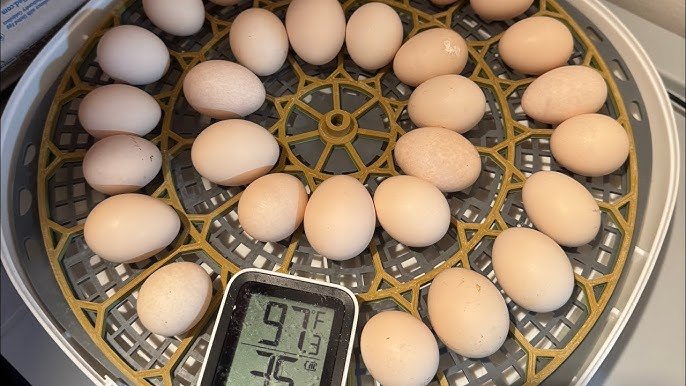
Proper setup of your thermometer is crucial. Place it at egg level for the most accurate reading, ensuring it isn’t in direct contact with eggs to avoid false readings. Regular calibration and maintenance will keep it accurate.
The Role of Humidity in Incubation
Humidity is an equally critical factor in the incubation process. It can be tricky to manage, but a hygrometer will help. By keeping humidity levels in check, you can prevent the embryos from losing too much or too little moisture.
How to Use a Hygrometer
A hygrometer measures the amount of moisture in the air. Place it inside the incubator at the same level as the eggs. Regularly check and adjust the humidity to match the needs of the eggs’ development stage.
Combining Thermometer and Hygrometer for Optimal Results
Using both tools in tandem creates the perfect environment for your eggs. They complement each other by providing a complete picture of the incubation environment, allowing for precise adjustments.
Common Mistakes to Avoid
Even with the best tools, mistakes can happen. Avoid placing the thermometer or hygrometer in direct sunlight or drafts. Regularly check their functionality and ensure they are properly calibrated.
Advanced Tips for Successful Incubation
For those looking to refine their incubation process, consider best practices for hatching. These include rotating eggs regularly and maintaining a stable environment.
Monitoring and Adjusting Environment
Continuous monitoring is key. Use the data from your thermometer and hygrometer to make necessary adjustments, ensuring a stable environment.
Choosing the Right Equipment
Selecting the right thermometer and hygrometer is crucial. Consider factors like accuracy, ease of use, and durability. Research brands and read reviews to find the best fit for your needs.
Why Quality Matters
Investing in quality equipment pays off. Reliable tools provide accurate readings, leading to higher hatch rates and healthier chicks.
Maintaining Your Incubator Equipment
Regular maintenance is essential for longevity and accuracy. Clean your equipment regularly and replace batteries as needed.
Calibration and Testing
Test your equipment periodically to ensure it’s providing accurate readings. Calibration is a simple process that can prevent many incubation issues.
FAQs
What is the ideal temperature for incubating chicken eggs?
The ideal temperature is typically around 99.5F (37.5C). It’s crucial to maintain this temperature consistently for optimal embryo development.
How do I adjust humidity in an incubator?
Adjust humidity by adding or removing water from the incubator’s trays. Monitor closely with a hygrometer to ensure levels remain stable.
Can I use any thermometer and hygrometer for incubation?
Not all thermometers and hygrometers are suitable for incubation. Choose models specifically designed for incubators to ensure accuracy and reliability.
Conclusion
Using an incubator thermometer and hygrometer is vital for anyone serious about hatching eggs. By understanding and utilizing these tools effectively, you can significantly increase your success rate and enjoy the rewards of healthy, thriving chicks. For more insights on incubation, visit this guide to hatching eggs at home.
This article contains affiliate links. We may earn a commission at no extra cost to you.